Punjab nominates team for monitoring barrages


 0
0


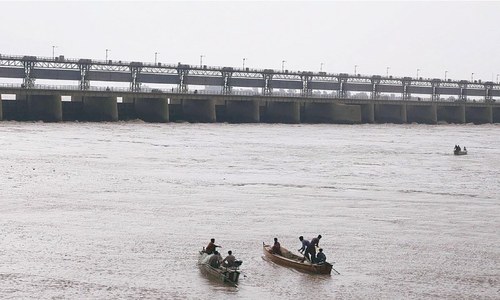
LAHORE: Following the decision taken by Prime Minister Imran Khan for tripartite checking of river water situation, Punjab on Friday nominated nine officers to accompany the Wapda teams to gauge water inflows and outflows at all the critical barrages in the country.
Under the arrangement finalised by the PM Office after a meeting on May 27 in which provincial and federal representatives had explained their points of view, a three-tier formula was agreed upon, involving representatives of the Water and Power Development Authority, Sindh and the Punjab.
Following instructions from the PM Office, the Indus River System Authority (Irsa) had written to Punjab on May 31, asking it to nominate its members for the purpose. Punjab has obliged.
Professionals from Wapda have been inducted as independent federal representatives, who along with nominees of Sindh and Punjab will visit the barrages to assess discharges and gauging mechanisms installed there.
Nominating its representatives, Punjab again insisted on Friday that monitoring teams need to reach there (barrages) as early as possible and make sure the discharge gauges worked not only properly but permanently to address the alleged misreporting by the provinces.
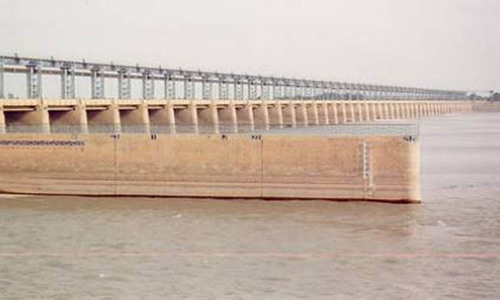
The Punjab government has been complaining about the missing discharge gauges — basic tool for measuring inflows and outflows of water at the barrages and indicating losses during water travel. “Without those gauges, the entire reporting is theoretical. How could Irsa, or for that matter any planning body, base its planning (and that too on an issue as critical as water distribution) on the non-existent realities,” wonders Punjab, demanding that Irsa first get its data right and then allocate water to the provinces.
Dispute over water measurements erupted between the Punjab and Sindh during planning for water distribution for the Kharif period, especially early Kharif when country suffers highest shortages and each drop of it becomes a basis for dispute. During these preparatory meetings, Sindh claimed to have suffered 35 per cent transmission losses in its 600 miles canals stretch.
Punjab refused to accept the figure, saying it was having less than 10pc losses in its 2,600 miles long canals. How could Sindh losses be three times high in one-fifth of canal stretch? It pleaded for allowing 20pc losses to Sindh, which were first 10 years average after Water Apportionment Accord in 1991. The Irsa, however, agreed to 30pc losses to Sindh.
Published in Dawn, June 5th, 2021