PRIME MINISTER Imran Khan has concluded a productive visit to Saudi Arabia at a time when bilateral relations between the two countries required a much-needed boost. According to official accounts, the prime minister held wide-ranging talks with the crown prince of Saudi Arabia, Mohammed bin Salman, and also met a number of other important persons including the secretary general of the OIC.
Army chief Gen Qamar Bajwa had reached Saudi Arabia a few days prior to the prime minister’s arrival to pave the way for the crucial visit. The army chief has been playing a central role in Pakistan’s engagement with Saudi Arabia and his presence in this meeting was proof that national security matters like Afghanistan and wider Middle East issues figure prominently in the bilateral relationship. This is important because the relationship has experienced strains in the recent past over a number of issues including Pakistan’s refusal to participate in the Yemen conflict.
Read: New direction set in ties with Saudi Arabia, says FM Qureshi
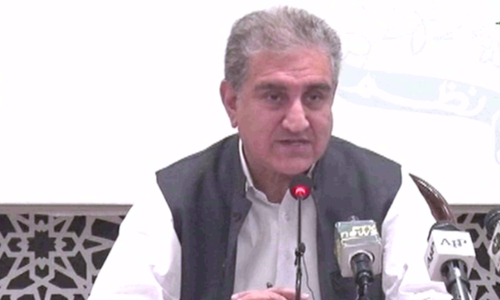
Ties also witnessed tension when last year Foreign Minister Shah Mahmood Qureshi resorted to uncharacteristic public criticism of Saudi Arabia for its lukewarm support of Pakistan on the Kashmir issue. While Pakistan had a genuine justification for both actions, Saudi Arabia was said to have taken exception. On the Yemen issue, it was Pakistan’s parliament that refused to send troops for the conflict, and that turned out to be the right decision. On the Kashmir issue too, Islamabad’s grievance against Riyadh was rooted in strong reasons. However, going public with this grievance may not have been the best strategy. Mutual relations grew frostier when Saudi Arabia — in a rather unprecedented move — demanded immediate repayment of a loan it had extended to Pakistan last year. It was only through China’s help that Pakistan was able to do this.
Against this backdrop, it is important that both countries make a concerted effort to improve their relationship. Swiftly changing events in the region as well as the ongoing process of withdrawal of US troops from Afghanistan require Islamabad and Riyadh to closely coordinate their efforts on all fronts. Prime Minister Imran Khan has done well to visit Saudi Arabia at this important juncture and it is hoped that his visit can inject fresh vigour into the relationship.
However, at the same time, it is very important that Pakistan take no step, or agree to any demand, that can have an adverse effect on national sovereignty. Pakistan must take independent decisions, free from pressures and expectations, while keeping its national interest supreme. No doubt Saudi Arabia wields enormous influence on Pakistani policy, and the large number of Pakistani expatriates working in Saudi Arabia contribute a lot to the economy, but Pakistan has always followed a balanced policy in the Middle East and must continue to do so while according a high priority to Saudi Arabia.
Published in Dawn, May 12th, 2021