THE UK’s decision to impose restrictions on travellers from Pakistan has no doubt come as a blow to British Pakistanis who will face considerable hurdles if they wish to travel between the two countries to visit their families. Not only do returning British residents from Pakistan have to now quarantine for 10 days at a hotel, they must also pay almost £2,000 for the stay and mandatory Covid-19 tests.
For many British Pakistanis, this sum, plus the skyrocketing ticket price, means that travel plans during Eid and Ramazan will have to be postponed. However, to assist returning passengers who hope to make it to the UK before the ban takes effect, PIA through charter flights has done a commendable job.
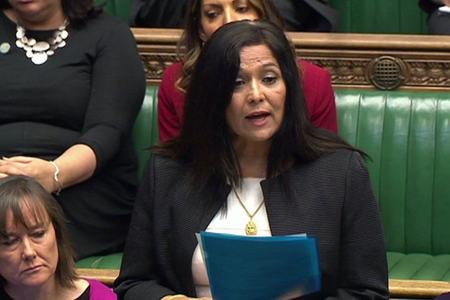
British MPs from constituencies that have many Pakistani voters have demanded an explanation for why Pakistan is on the red list when many other countries are not. It is a fair question, as some European countries have far higher rates of infection and have yet escaped the restriction. Though Britain had restricted all but essential travel, British Pakistanis were travelling to Pakistan and back, with some reports suggesting that many of them were testing positive on arrival in the UK. While some may justifiably feel that the ban is about politics, the fact is that cases in Pakistan are increasingly rapidly. The irony is that the high transmission rate has been linked to the spread of the B.1.1.7 variant, or the ‘UK strain’ that was brought into the country by travellers.
Read: Asad Umar questions Britain's decision to ban entry from Pakistan
Here, the question of why the government did not impose quarantine rules on travellers flying into the country from the UK must be raised. Although many countries closed their door on the UK when the fast-spreading and more lethal strain was identified, Pakistan continued to allow passengers to arrive without quarantine requirements. While the passengers departing from the UK had to show a negative PCR test before boarding a flight to Pakistan, these tests include self-administered home tests that might not have been done correctly. There is also the possibility that the passengers could have contracted the virus after they were tested — something that ought to have been considered by Pakistani government officials at the helm of the Covid-19 response. A far cry from the start of the pandemic, when the government enforced a sound quarantine strategy for incoming travellers, today the response to those who might be bringing in mutations is lacking. The strategy must be revisited.
Published in Dawn, April 10th, 2021