Chinese firm Insilico to test AI-developed drug


 16
16
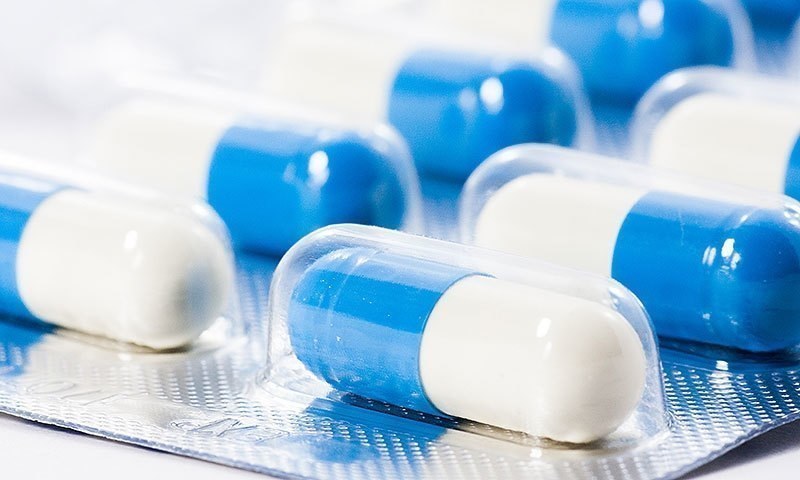

Insilico Medicine, a Chinese investors-backed company that uses artificial intelligence to develop new drugs, said that its chemical compound candidate is likely to enter into clinical trials by the end of this year, according to its top executives.
"We expect our chemical compound candidate to start its first clinic trial by the end of the end before the second and third trials," said Ren Feng, chief science officer at Insilico Medicine.
"(Once finished), it will be the first time that the world uses AI to find new targets, discover new compounds, and makes into the clinical period, which will be a milestone," Ren said.
The company announced recently that it has found a new therapeutic target and potential therapy candidate for idiopathic pulmonary fibrosis, or IPF, through AI technologies. It said that the potential therapy has been validated in preclinical tests in human tissue and animal models of IPF.
"This is the first case where AI identified a novel target and designed a preclinical candidate for a very broad disease indication…and we need to have many enabling AI technologies that help us understand and manipulate human biology in other chronic diseases," said Alex Zhavoronkov, founder and CEO of Insilico Medicine.
According to him, the entire research and development process only takes 18 months and costs only one-tenth of a similar project.
Industry insiders said the development of a new drug is a complex and resource-consuming process, which usually costs pharmaceutical companies an average of $2.6 billion and up to 10 years of research and development.
"Customers are beginning to pay more attention to healthcare and they are more aware of the use of AI after the Covid-19 pandemic. AI is set to play a greater role in driving the medical and healthcare industry," said Kaifu-Lee, chairman and CEO of venture capital firm Sinovation Ventures, which invested into Insilico Medicine.
"The bottom layer of AI is the digital evolution. In whatever field that can become digital, it is possible to use data science and AI to help such area to increase its value," he said.
Liang Yingyu, managing partner of Qiming Venture Partners, said that AI image recognition was the first large-scale application of AI in the medical field, and then expanded drug research and development.
"But there are still many areas where AI is not engaged into. The prospect of AI medical industry enjoys broad prospect," she noted.
This article originally appeared on China Daily and has been reproduced with permission.