Swathes of globe may not get vaccine until 2022: study


At least a fifth of the world's population may not have access to a Covid-19 vaccine until 2022, according to a study published on Wednesday, with wealthier nations reserving more than half of next year's potential doses.
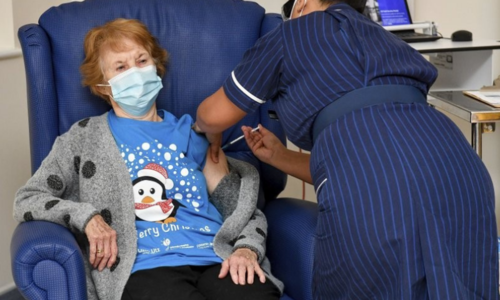
With hopes that vaccines can bring an end to a pandemic that has killed some 1.6 million people, countries including the United States, Britain and the United Arab Emirates have already begun rolling out immunisation programmes.
Eager to increase their chances of having access to at least one of the dozens of vaccines in development, many nations have snapped up allocations of several different drugs.
Wealthy nations — accounting for just 14 per cent of the global population — have pre-ordered just over half of the vaccine doses expected to be produced by the 13 leading developers next year, researchers from the Johns Hopkins Bloomberg School of Public Health found.
There are fears that poorer nations will be left behind.
Even if the drug makers all produce effective, safe vaccines and meet their maximum global manufacturing targets, the study said “at least a fifth of the world's population would not have access to vaccines until 2022”.
The research, published in the BMJ medical journal, looked at publicly available data and found that as of mid-November, reservations totalled 7.48 billion doses — equivalent to 3.76 billion immunisation courses, because most vaccines require two jabs.
That is out of a total maximum projected manufacturing capacity of 5.96 billion courses by the end of 2021.
Pooled purchasing scheme
The study estimated that up to 40pc of the vaccine courses from the leading manufacturers might be available for low and middle-income countries, but said this would depend on how rich countries share what they have bought.
The authors, who cautioned that public information was incomplete, called for “greater transparency and accountability” over support for equitable global access.
They suggested the implications could go well beyond health.
“To varying degrees, trade with and travel to countries might face continued disruption until access to effective preventive or treatment measures, such as Covid-19 vaccines, becomes more widely available,” the report said.
Many countries have joined a pooled purchasing mechanism COVAX — coordinated by the World Health Organisation, the Coalition for Epidemic Preparedness Innovations and vaccines alliance Gavi — aiming to ensure that people across the world have access to a Covid-19 vaccine, regardless of wealth.
The initiative is hoping to have two billion doses available by the end of 2021. But neither the United States nor Russia have so far joined the programme.
'Devastating crisis'
Jason Schwartz, at the Yale School of Public Health, said US participation in coordination efforts would be “invaluable” in helping ensure people across the world have access to vaccines “that will ultimately help bring an end to this devastating global health crisis”.
In a BMJ editorial, Schwartz said the requirement for two doses and the very low temperatures needed to store some of the vaccines added to the challenges for many countries.
“The operational challenges of the global Covid-19 vaccination programme will be at least as difficult as the scientific challenges associated with rapidly developing safe and effective vaccines,” he said.
The Johns Hopkins authors said prices for immunisations ranged from $6 per course to as high as $74. They found that if all the vaccines work as hoped, many richer nations would have already reserved at least one immunisation per person.
Researchers said that Canada had ordered the equivalent of four doses per person, the United States has reserved just enough for one vaccine course per person, while countries like Indonesia have reserved less than one vaccine course for every two people.