India has highest rate of bribery in Asia, Transparency International survey finds
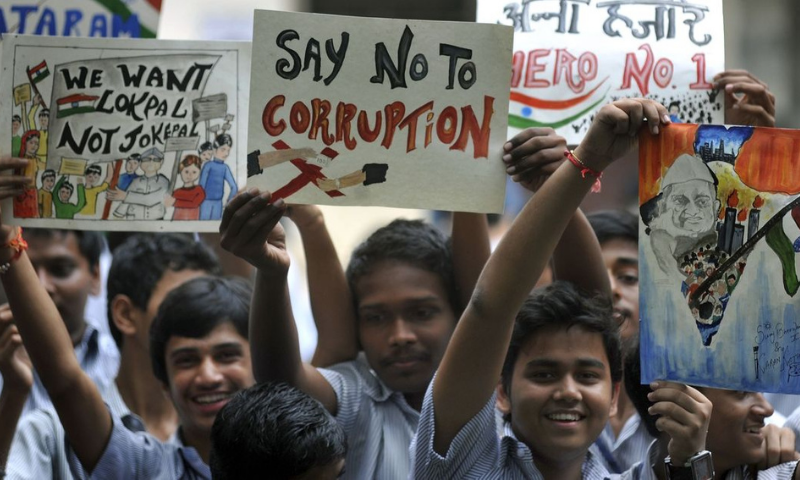
A survey conducted by Transparency International (TI) has found that India has the highest rate of bribery in the region.
The results of the survey — the Global Corruption Barometer (GCB) – Asia — which were released on Tuesday showed that India also had the highest rate of people using personal connections to access public services.
The countries that were included in the survey are: Indonesia, Taiwan, Maldives, India, Sri Lanka, Thailand, Philippines, Japan, Nepal, Malaysia, Bangladesh, Mongolia, China, South Korea, Myanmar, Cambodia and Vietnam.
The report noted that "slow and complicated bureaucratic process, unnecessary red tape and unclear regulatory frameworks force citizens to seek out alternate solutions to access basic services through networks of familiarity and petty corruption [in India]."
The country has a bribery rate of 39 per cent while 46pc people use familiarity to get access to services, it said, adding that 50pc of those surveyed revealed they paid bribes because they were asked to. Thirty-two per cent of people said they used connections because they would not have gotten the same service otherwise.
TI recommended that the Indian government should "streamline administrative processes for public services, implement preventative measures to combat bribery and nepotism and invest in user-friendly online platforms to deliver essential public services quickly and effectively".
The GCB-Asia, which surveyed people from 17 countries in the region, found that nearly one in three people believed that government corruption was a big problem in their country. Not only was corruption rampant, 38pc of surveyed people also believed that corruption had increased in their countries in the last 12 months, it found.
"Nearly one in five citizens who accessed public services, such as healthcare and education paid a bribe in the previous year [while] more than one in five used personal connections," the report said, noting however, that more than three in four people had heard of the anti-corruption agency in their country and 63pc thought they were doing a "good job".
People living in Indonesia, Thailand and Malaysia faced the highest rates of sexual extortion when accessing a government service.
More than three out of five people believed ordinary citizens could "make a difference in the fight against corruption", the survey found.