New Zealand plunges into recession as economy shrinks record 12pc


 22
22


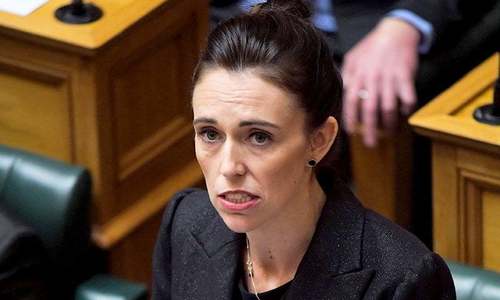
New Zealand plunged into recession for the first time in a decade on Thursday, as data confirmed a record-breaking economic collapse that forced Prime Minister Jacinda Ardern to defend her pandemic response ahead of next month's general election.
The 12.2 per cent contraction in April-June was “by far the largest” since records began, national data agency Stats NZ said, with the country put into a strict lockdown for almost two months and the country's borders closed.
Ardern rejected opposition accusations that the tough measures had pushed the economy “off a cliff”, saying the restrictions helped contain the virus, which allowed business to resume far earlier than in many other countries.
The centre-left leader, who will go to the polls for re-election on October 17, also pointed out that New Zealand had recorded just 25 Covid-19 deaths, out of a population of five million.
“Success for me is saving people's lives, supporting and saving people's businesses, coming out the other side [of the crisis] faster, quicker and with more activity,” she told reporters.
“I back our results.”
She said the economic pain of lockdown in the June quarter would be followed by a rebound in July-September, when virus-related restrictions were eased significantly.
Ardern retains a strong lead in opinion polls and is expected to retain office, despite the ugly pre-election economic figures.
Finance Minister Grant Robertson said it could have been much worse, with budget papers in May predicting a 23.5pc quarterly decline and Treasury forecasting a 16pc drop just this week.
“There is no way that any political party could claim that there would not have been a recession in New Zealand during this period,” he said.
“This is a one-in-100-year global economic shock.”
'This was traumatic'
The opposition National Party said the figures showed a change of government was needed because Ardern's administration could not properly manage the economy or the pandemic response.
“It is now official that we are in the deepest recession in living memory and it's proof that New Zealand needs a National-led government now that has a very clear plan,” National leader Judith Collins said.
She said New Zealand “compares very unfavourably” with neighbouring Australia, which recorded an economic contraction of 7pc in the June quarter after adopting a more flexible approach to lockdowns and border controls.
New Zealand's most recent recession was in 2008-09 and until the first three months of this year it had recorded non-stop quarterly growth since 2010.
The second-quarter decline follows a 1.6pc contraction in the first three months of 2020, confirming widespread expectations that New Zealand is in recession.
Kiwibank chief economist Jarrod Kerr said the figures were unprecedented.
“We've never seen anything like this. It was traumatic,” he said.
“Service exports were stonewalled, and down 40pc in the quarter, consumption was down 12pc, and investment was slashed by 20pc.”
But he said the figure was a one-off that was set to be followed by a growth surge of 10pc in the September quarter, which would also be a record.
“Businesses and households have clearly adapted to trading in a world with limited face-to-face contact,” he said.