THE global monitoring body for polio has voiced serious reservations regarding the prospects for eradicating the crippling disease in Pakistan. In its latest report, the Independent Monitoring Board has stated in no uncertain terms that cases of both wild and vaccine-derived poliovirus are about to rise sharply. The report raises concerns about the strategic and technical capabilities of the Pakistan Polio Programme while warning that the number of cases could be in the hundreds if mass vaccination drives do not resume soon. At a time when Africa has been declared polio-free, the IMB report contains damning revelations about Pakistan’s blundering response to eradicating this disease. In its no-holds-barred assessment, the document states: “There is every possibility that Pakistan will be the last place on Earth to harbour this terrible disease.”
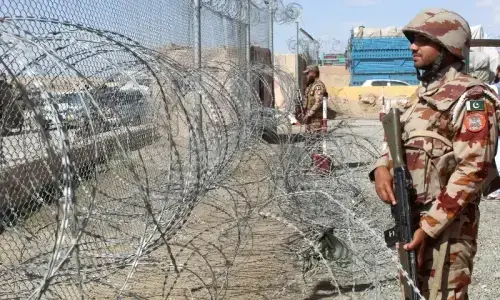
At least 61 cases of wild poliovirus surfaced in the country until July 31, 2020; in the corresponding period last year, the number was 56. Moreover, in 2018 and 2017, the total number of polio cases was 12 and eight respectively. The IMB report pinpoints criminal lapses in the authorities’ management of the Polio Programme, while raising alarm that an outbreak of vaccine-derived polio is on the horizon. It highlights the transference of wild poliovirus from its core reservoirs of Karachi and Quetta to the southern parts of Khyber Pakhtunkhwa and Lahore, a situation exacerbated by the coronavirus pandemic. Besides calling out the federal government for setting up the National Strategic Advisory Group in November 2019 and then seemingly forgetting about it, the report also makes special mention of the Sindh government for not being able to appoint a single qualified medical officer in the eight super-high-risk union councils of Karachi. In Balochistan, the movement of people across the Pak-Afghan border renders the situation even more complex. The report states that vaccination of large numbers of children who traverse the border daily is way below par, risking transfer of the virus between the world’s two remaining polio-endemic countries. It stresses the need for a “transformational change” in anti-polio efforts and greater collaboration with Afghan authorities to curb the spread of the disease. Our leadership would also do well to seek Nigeria’s advice; the latter country has been able to win the battle against polio despite also being hit by militancy. There is no time for dilly-dallying; all caveats and excuses must be set aside to achieve the task ahead.
Published in Dawn, August 30th, 2020