Indian forces keep Kashmiri leaders confined to their homes
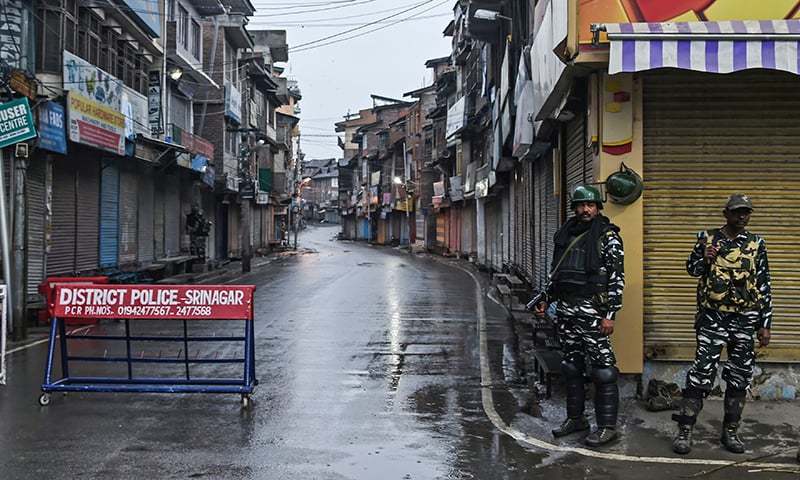


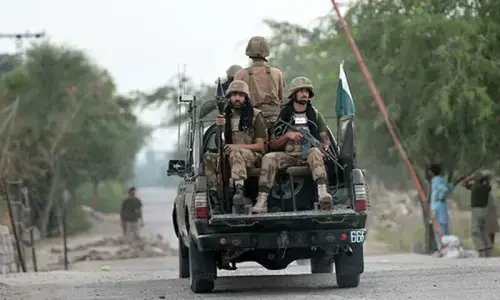
SRINAGAR: With a heavy deployment of troops and curbs on public movement, Indian forces kept a tight lid on potential protests in occupied Kashmir on Wednesday, the first anniversary of the revocation of its semi-autonomous status.
Local politicians were not permitted outside their homes, most likely to prevent them from calling street demonstrations or even from holding meetings, in the strictest lockdown seen in months.
Last August, Indian Prime Minister Narendra Modi’s government stripped Jammu and Kashmir state of its special rights and split it into two federally administered territories.
“One year later the authorities are still too afraid to allow us to meet, much less carry out any normal political activity,” former chief minister of the India-held state Omar Abdullah said on Twitter.
Former CM, Amnesty International assail the authorities
“This fear speaks volumes about the true situation on the ground in Kashmir.”
Modi’s move last year was accompanied by a total communication blackout and mass detentions. Some rights groups have been critical of the Indian government’s handling of the disputed Himalayan region, particularly the ongoing internet curbs.
“This has been compounded by a censored media, continuing detention of political leaders, arbitrary restrictions due to the pandemic with little to no redressal,” Amnesty International said in a statement on Wednesday.
On Wednesday, Kashmiri fighters hurled grenades at security forces in south Kashmir’s Shopian in two separate attacks, police said. There were no casualties.
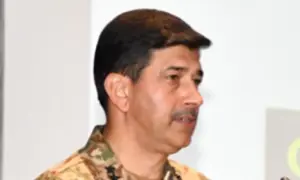
Lt Gen B.S. Raju, the top Indian military commander in the occupied valley, claimed the situation had been largely normal for most of the past year.
He said his troops had “kept the heat” on armed groups who have been fighting Indian rule since 1989, in a conflict that has killed at least 50,000, according to official figures.
Published in Dawn, August 6th, 2020