Private sector to import 270,000 tonnes of wheat

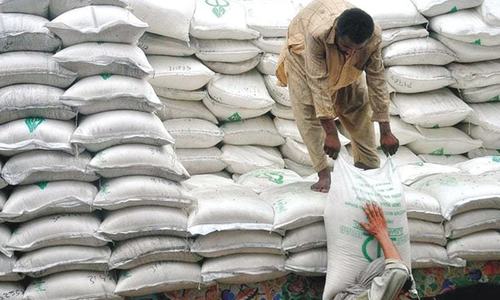
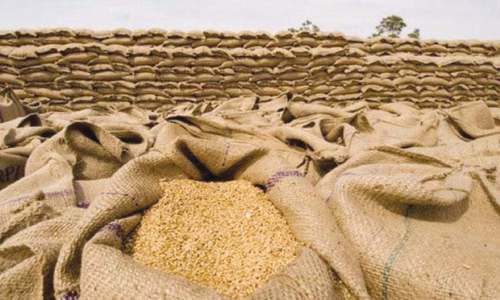
ISLAMABAD: The private sector has placed orders for import of 270,000 tonnes of wheat which will be brought to the country by four vessels over the next two months, the Ministry of National Food Security and Research announced on Saturday.
The secretary of the ministry, Omer Hamid Khan, discussed the wheat availability and stock situation with chief secretaries of the four provinces, and it was felt that the private sector was positively responding to the government’s wheat import policy. More than 120 importers have so far shown their interest in the import of wheat in the country.
Secretary Omer Hamid’s meeting with the provincial chief secretaries was a follow-up to the Economic Coordination Committee’s decision that the ministry should hold meetings with major importers of wheat at the earliest and come up with proposals that may indicate what will be the expected price of imported wheat, and if there is any need for the government to allow subsidy on the product to keep prices stable in the domestic market.
The Ministry of National Food Security and Research has said that it has allowed the importers to trade in wheat for countering its shortage in the country. A few taxes and duties have been abolished, including 60 per cent regulatory duty, 11pc custom duty, 17pc sales tax and 6pc withholding tax.
Ministry says four vessels will bring commodity in next two months
While the Punjab government has operationalised its wheat release policy, Sindh is finalising its policy. According to the interim wheat release policy, 17,000 tonnes were being released to flour mills daily as against the province’s urban population-based requirements of 16,602 tonnes per day.
The provincial government has asked the flour mills to increase the extraction ratio from 60-40 to 65-35 to ensure increased availability of wheat flour.
Secretary Omer Hamid informed the chief secretaries that the federal government was taking all possible measures to ensure the availability of wheat and flour at affordable rates. There will be a policy of zero tolerance against hoarders and to not make any concessions in this regard, and all provinces were working with the federal government to ensure complete prevention of wheat smuggling.
The district administrations will be empowered in each province to evaluate functionality of flour mills. An independent evaluation of the availability and prices will be carried out by a third party, in addition to the monitoring of availability and prices in the market by the government machinery.
Published in Dawn, July 19th, 2020