With nearly 700,000 coronavirus cases, India is third worst-hit country


India has overtaken Russia with the world’s third-highest number of novel coronavirus cases, at nearly 700,000, according to the latest data, as the outbreak shows no sign of slowing.
Health ministry data on Monday showed more than 23,000 new cases reported in the previous 24 hours, down slightly from Sunday’s record increase of almost 25,000.
There have been almost 20,000 deaths in India since the first case was detected there in January.
India is now the world’s third worst-affected country, behind only the United States and Brazil.
It has seen eight times the number of cases as China, that has a similar-sized population and is where the virus originated late last year.
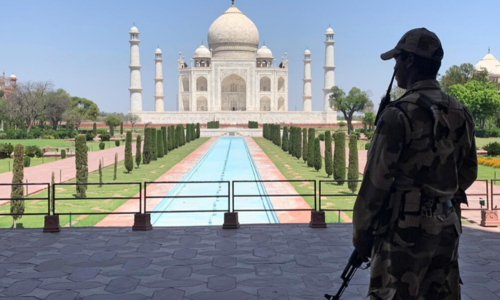
Officials said they had reversed a decision to reopen the Taj Mahal, India’s most famous tourist attraction, in the city of Agra, 200 km southeast of New Delhi, on Monday, following a spate of new cases in the area.
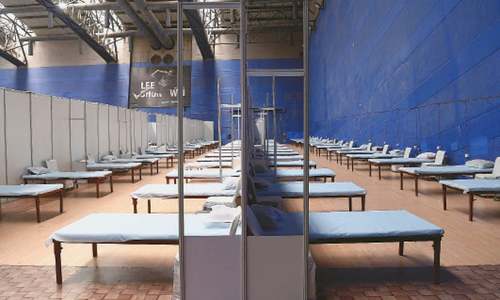
India’s capital has now started treating patients at a spiritual centre converted into a sprawling isolation facility and hospital with 10,000 beds, many made of cardboard and coated with chemicals to make them waterproof. About the size of 20 football fields, the facility on the outskirts of the city will treat mild symptomatic and asymptomatic cases.
State government officials fear Delhi, home to 25 million people, could record more than half-a-million cases by the end of the month. The city has repurposed some hotels to provide hospital care. It is also converting wedding halls and has several hundred modified railway coaches standing by.
A strict lockdown in place since late March has gradually been lifted, allowing most activities as the economy nose-dived amid the shutdown. Schools, metro trains in cities, cinemas, gyms and swimming pools remain closed and international flights are still grounded.
Authorities have made wearing masks mandatory in public places, while large gatherings are banned and shops and other public establishments are required to implement social distancing.