AFTER a month of wrangling, the aggravated shortage of petrol at pumps around the country is finally set to be resolved as the government retreats from its position and has agreed to raise prices at the pump by a near historic amount.
The shortages arose once the government reduced prices in May, at the insistence of Prime Minister Imran Khan who said he wanted to bring down fuel prices in a bid to curb inflation and pass on to the public the benefits of lower international oil prices.
But the move sparked immediate protests from oil companies and refineries who argued that the downward price revision had been made on the basis of month-old prices, and the prevailing international prices, as well their direction, at the time were sharply upward. It would not be possible for them to arrange cargo deliveries in the month of June at the price the government had notified in May, they said.
On the last day of May, the government notified a second decrease, and the minister petroleum — Mr Omar Ayub — went on the offensive on the media calling the oil companies a ‘mafia’. This aggressive turn in the sequence of events was followed up by law-enforcement action against oil executives after they were accused of ‘hoarding’ supplies.
Through all this, oil imports slowed to a trickle and supplies ran short around the country, creating long lines and dry-outs at pumps. The dispute dragged on all through June as consumers jostled for space at the pumps. The oil industry held its ground that arranging fresh supplies under the notified price was not possible, while the government served up fines and hostile rhetoric. Negotiations swirled around measures to reform the pricing mechanism, but a consensus on current prices could not be hammered out.
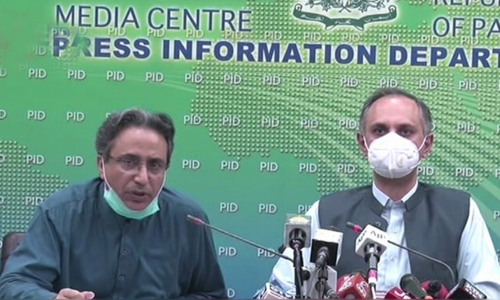
Then suddenly on Friday night the government caved in and passed through the single largest oil price increase the country has seen in many years. In a hurriedly called press conference, the minister and the prime minister’s special adviser on petroleum appeared together and took the defensive position that international oil prices had seen more than a 100pc increase in the last month, as well as offered the bizarre comfort that despite the price increase, the oil companies would continue to suffer.
With their first point they have confirmed what the oil industry was arguing all along: that under the notified price in May it was impossible to arrange for fresh supplies. With their second point, they have given the impression that their minds are less focused on solving problems and more focused on trading and deflecting blame. It is no longer possible to see the events of the past month in the oil-marketing sector as anything other than gross mismanagement by the government. Let’s hope things return to normal now.
Published in Dawn, June 28th, 2020