First consultation on Citizens Protection rules questions regulation of fake news


 1
1


KARACHI: While much of the discourse around the Citizens Protection (Against Online Harm) Rules 2020 is focused on cracking down on fake news, the consultation revealed content removal for the same is in fact unlawful.
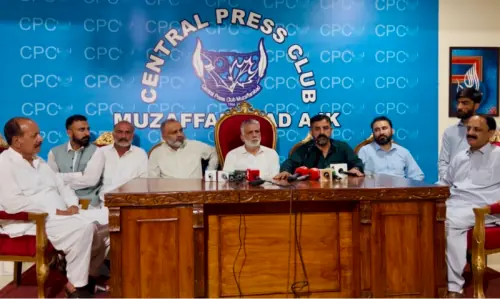
Separate consultation meetings with media and civil society were held on Thursday (June 4), amid a boycott by human rights groups, which refused to participate in the review process until the rules were revoked.
According to the Pakistan Telecommunication Authority’s (PTA) chairman, the rules were designed to put in place a mechanism and obligations of technology companies with respect to removal of online content in violation of Section 37 of the Pakistan Electronic Crime Act, 2016.
Sub-section 2 of Section 37 states: “The Authority shall, with the approval of the Federal Government, prescribe rules providing for, among other matters, safeguards, transparent process and effective oversight mechanism for exercise of powers under sub-section (1).”
Civil society meeting marred by boycott
The meeting with reporters, which lasted two hours, consulted on regulation of content related to blasphemy, child pornography, extremism, hate speech, character assassination and fake news — areas defined as “priority” by the consultation committee.
It is important to mention that Section 37 of the cybercrime law chalks out restrictions allowing for the PTA to block, remove and/or issue directions to censor online content in the “interest of the glory of Islam, or the integrity, security or defence of Pakistan or any part thereof, public order, decency or morality, or in relation to contempt of court”.
In fact, the PTA already reports content to social media companies under those provisions that are related to child pornography, blasphemy, sectarianism, hate speech, anti-judiciary, defamation and impersonation.
Use of fake accounts, impersonation, nudity, hate speech, bullying and harassment are also some categories that violate community guidelines outlined by social media platforms.
“Platforms are not doing enough. We want them to take our country’s cultural and religious values seriously. Religious content can lead to dire consequences in Pakistan,” said the PTA chairman.
When reminded that Pakistan was among countries where Facebook limited the most content, the committee said the platforms were not removing enough content on their own which is why the government had to report more.
The PTA was also asked to release a report on the online content it had reported and removed so far.
It was pointed out that users were not reporting content directly which put more pressure on the authorities. The meeting agreed that more users should be made aware of the community standards so they could report issues such as impersonation or harassment to platforms on their own.
Fake news dilemma
The draft rules require social media companies to remove content which is “involved in spreading of fake news or defamation and violates or affects the religious, cultural, ethnic, or national security sensitivities of Pakistan.”
However, none of the laws governing online content – Pakistan Telecommunication (Reorganisation) Act 1996 and Peca 2016 — contain a provision limiting the dissemination of "fake news".
“Fake news in isolation is not punishable. We have only reported content under fake news if it can create a sense of fear, panic or insecurity in the government or the public,” the PTA chairman told participants.
“We don’t report fake news if a story was reported incorrectly. We get more reports regarding fake news that harms someone’s reputation or is defamatory. Defamation and character assassination are a serious issue,” the meeting was told.
It was suggested that the conditions for removing fake news be clearly defined.
The committee was told that coordinated smear campaigns and abuse was going unchecked by authorities, which enabled targeted harassment of government officials as well. It was recommended that those involved in organised character assassination be identified and held accountable.
Civil society engagement
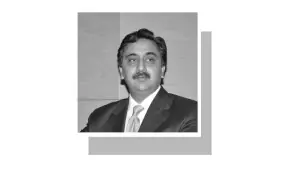
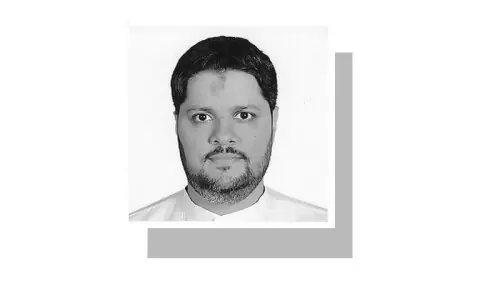
Meanwhile the consultation meeting scheduled for civil society saw participation from only one person, public policy expert Mosharraf Zaidi.
“A consultation without the presence of all stakeholders undermines the process. There is a national security perspective, freedom of speech and information, a rights-based approach, and a potential for digitalisation and commerce.
The process should cater to all,” Mr Zaidi told Dawn.
Published in Dawn, June 7th, 2020