SC proposes video conferencing for hearing of cases
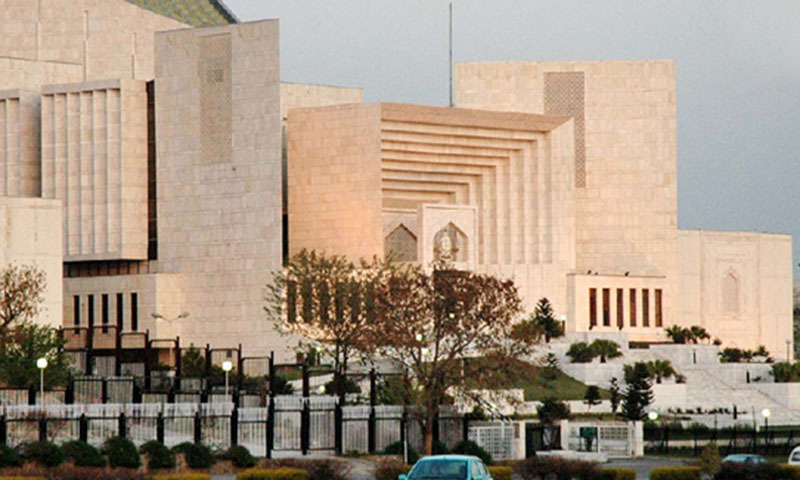

ISLAMABAD: Confronted with adjournment of cases on a daily basis as well as difficulties faced by litigants in the wake of the coronavirus pandemic, the Supreme Court on Thursday proposed adopting social network applications to overcome regular postponement of cases.
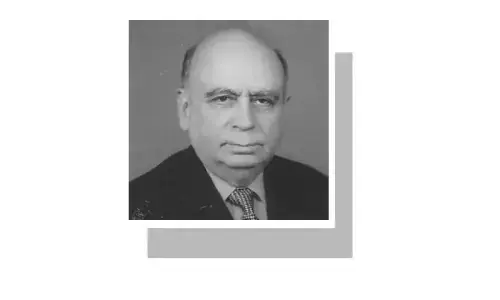
Justice Qazi Faez Isa, while presiding over a two-judge bench during the hearing of a case and facing a similar problem with the absence of a counsel, suggested the use of social network applications, such as Skype, WhatsApp, Telegram or any other suitable video conferencing platform, to deal with the situation.
Justice Isa asked Supreme Court Bar Association (SCBA) president Sayyed Qalbe Hassan to help resolve the issue.
The SCBA president acknowledged by stating that he was receiving calls on a daily basis from different counsel that they were not in a position to appear in the court on account of the virus pandemic.
According to him, even those who are willing to come from outstation have no place to stay as the Supreme Court hostel complex and most hotels in Rawalpindi and Islamabad are closed.
Use of Skype, WhatsApp, Telegram suggested
In response, the court observed that in view of the spread of Covid-19 and consequent difficulties faced by litigants and counsel, subject to approval of Chief Justice of Pakistan Gulzar Ahmed, it was proposed to utilise services of video conferencing through different social network applications.
Consequently, Justice Isa proposed that each courtroom of the apex court should be provided with a Wifi-connected mobile phone, the number of which should be mentioned in the cause list as well as at the Supreme Court’s website.
Besides applications like Skype, WhatsApp or Telegram, any other suitable video conferencing platform be installed in the Supreme Court mobile phone whereas counsel arguing a case be asked to also install the same application in their mobile phones.
After the identity of counsel is verified, the proposal suggested, cases be heard by using these video conferencing applications. And to maintain transparency and openness, the screen of the court mobile phone be mirrored on television sets already installed in every courtroom of the Supreme Court, the proposal said.
The possibility of preserving the recording of the court proceedings should also be explored to keep the record for a period, like six months.
The proposal suggested that the IT wing of the Supreme Court should be assigned the task of installing such applications in the court mobile phones. But before using the proposed system, the IT wing should also ensure successful trial runs and the Pakistan Bar Council (PBC), the SCBA, offices of the Attorney General, the advocate generals and the prosecutor generals should also be given a demonstration of the workability of the proposed system.
Their proposals and suggestions should also be solicited to further improve the system, the proposal said.
It all started when during the hearing of a case concerning Mohammad Arif Chaudhry versus Mohammad Suleman, an adjournment application was furnished on behalf of Special Attorney Kaman Afsar from the respondent side.
During the hearing, the court was told that the respondent’s counsel was 60 years of age and though he was a resident of Rawalpindi, he had been advised to remain self-quarantined on account of the coronavirus pandemic.
On the other hand, Advocate Mazhar Masood Khan, representing the petitioner, argued that the respondent side was using the pretext of Covid-19 only to get this case adjourned and to continue to retain possession of a tenanted premises without payment of rent.
Consequently, the court adjourned the case till May, but proposed the use of social media networks to overcome the issue.
Published in Dawn, April 17th, 2020