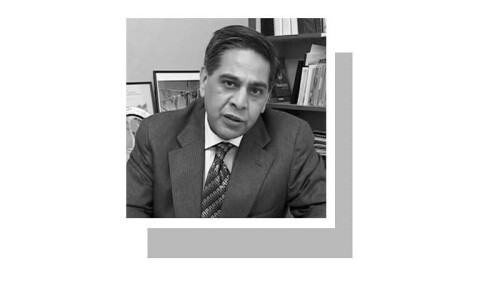
Renowned journalist Ahfaz ur Rahman passes away at 78

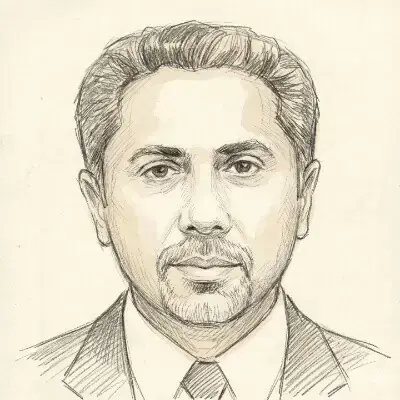
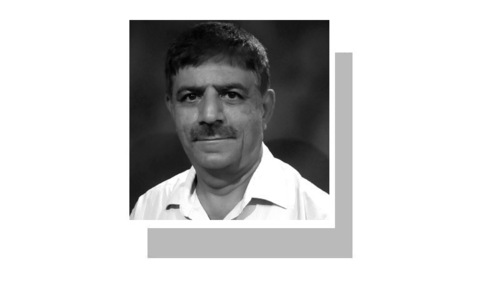
Renowned journalist, writer and poet Ahfaz ur Rehman passed away early on Sunday at the age of 78 after a prolonged illness.
According to senior journalist Naseer Ahmed, Rahman had been admitted to a private hospital a few days ago, after his condition worsened. The late journalist had lost his voice a few years ago due to throat cancer.
Rahman was born in the Indian city of Jabalpur on April 12, 1942. During his college days, he was a member of the National Students Federation and later came to be known among his colleagues for being a fearless defender of press freedom, civil liberties and an active member of trade unions.

After getting a Masters degree in journalism from the University of Karachi, Rahman went to China where he stayed for 16 years, working in foreign language press.
Zulfiqar Halepoto, a Sindhi author and activist remembered the late journalist as an "extremely learned and decent man", recalling that Rahman was inspired by the great revolution in China and leftist movements around the world and wrote extensively on Mao, Zhou En-Lai and Chinese history.
He returned to Pakistan in 1993, joining first the Jang newspaper as its magazine editor and later the Rozanama Express in 2002 where he continued to work until 2018 when his health deteriorated.
Dr Prof Tauseef Ahmed Khan said that Ahfaz ur Rahman was a "committed journalist who never compromised in his life. He played an important role in improving conditions of working journalists and protection of media freedoms".
Calling his death a loss "not only for his family but for all oppressed people", Khan recalled how Rahman had played a crucial role in defending press freedom when military dictator General Zia-ul-Haq banned the daily Musawat so much so that he had to go underground for three months and suffered imprisonment.
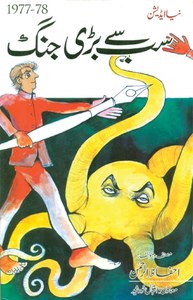
He also served as the president of the Pakistan Federal Union of Journalists (PFUJ). A second edition of his book on journalists' struggles during the Zia regime was published in 2017.
Sindh Chief Minister Murad Ali Shah expressed "deep grief" on Rahman's death, according to his spokesperson.
The Human Rights Commission of Pakistan in a post on Twitter also "mourned" Rahman's passing and said that his struggle for press freedoms and fundamental rights would always be remembered.
He leaves behind his wife Mehnaz Rahman, a renowned women rights activist and two children — a son and a daughter.