15
15
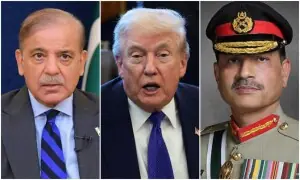
THE American president is known to tweet first and ask questions later. However, in such unprecedented global circumstances, world leaders have a responsibility, more so than before, to issue carefully vetted statements, especially when discussing matters related to Covid-19. Earlier this week, Donald Trump launched a damaging critique of the World Health Organisation, accusing the UN-affiliated body of going soft on China, and threatening to cut American funding for WHO. While there have been others who have also criticised WHO’s response to the coronavirus crisis, saying that the global health body took too long to declare Covid-19 a pandemic, the fact is that this is not the time for censure; informed critiques of what should and should not have been done can wait until the crisis starts to subside. However, Mr Trump has never been one for subtle diplomacy. Moreover, his own response to the infection in the US has been criticised by American governors and mayors. The US president himself had early on downplayed the risks of the virus, preferring to keep the wheels of the American economy going. It is only after infection and deaths spiked in the US over the past few days that he changed tack.
Bashing multilateral organisations has been a favourite pastime of the US leader. In the past, he has heaped abuse on bodies such as the International Criminal Court and UN rights outfits, all the while upholding the principle of American exceptionalism. However, it is hoped he does not follow through on his threat to cut WHO’s funds. Regardless of any errors of judgement during the pandemic, the health body has worked tirelessly, especially where developing countries are concerned, to put out the message that a global response is the only way to eliminate Covid-19. That response can best be marshalled by an outfit like WHO. Multilateralism may be far from perfect, but when a global health crisis challenges humanity, there may not be too many other options.
Published in Dawn, April 11th, 2020