Japan's prime minister 'deeply worried' by Middle East tensions


 3
3
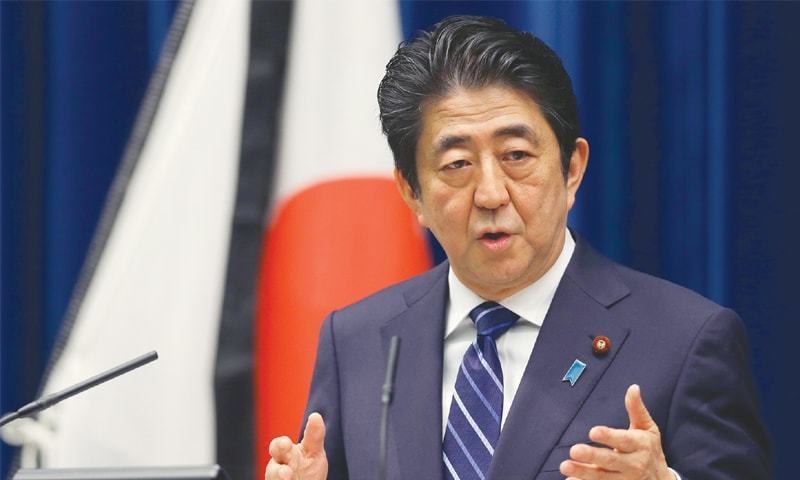

Japan's Prime Minister Shinzo Abe, who has tried to carve out a role mediating between Washington and Tehran, said on Monday he was “deeply worried” by tensions in the Middle East.
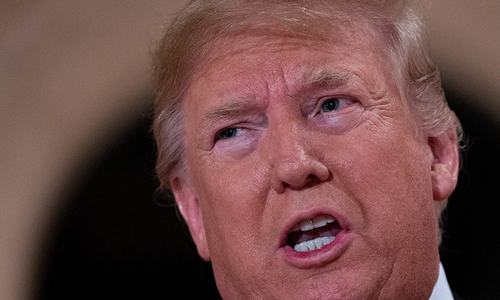
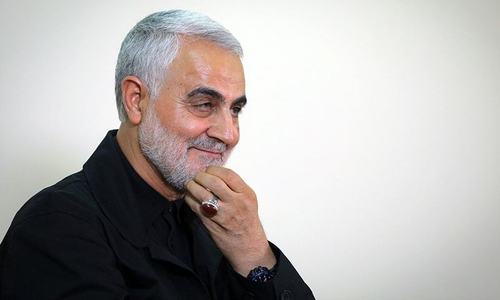
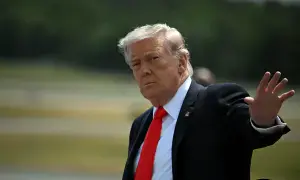
The US assassination of Iranian military commander Qasem Soleimani last week has raised fears of an all-out conflict, with President Donald Trump threatening “major retaliation” if Tehran makes good on a pledge to avenge the killing.
“Middle Eastern tensions are increasing. I'm deeply worried about the current situation,” Abe said in his first comments since the killing of Soleimani in Iraq.
“A further escalation in this situation should be avoided and I call for diplomatic efforts by parties concerned.”
Tokyo and Tehran have maintained diplomatic ties for decades, even through the crisis with the West sparked by Iran's 1979 Islamic revolution and subsequent frictions over its nuclear programme.
In June, as tensions rose over Trump's decision to withdraw from a nuclear deal with Tehran, Abe visited Iran for talks with Supreme Leader Ayatollah Ali Khamenei and President Hassan Rouhani.
But his visit coincided with a suspected attack on two oil tankers in the Sea of Oman, off the Iranian coast, which again sent tensions in the Gulf soaring.
And Khamenei categorically ruled out talks with Trump despite Abe's efforts to smooth a path.
Abe later met Rouhani on the sidelines of the UN General Assembly, and in December welcomed the Iranian leader to Japan — the first visit by an Iranian head of state in two decades.
Japan has walked a fine line in balancing its key alliance with Washington and its longstanding relations and interests with Iran.
It was formerly a major buyer of Iranian crude but stopped purchases to comply with US sanctions imposed after Washington unilaterally quit the nuclear deal in May 2018.
It has opted not to join a US-led coalition patrolling waterways in the Middle East, proposed by Washington after the tanker attack during Abe's Iran visit.
But it has said it will send a military vessel and two patrol planes to the region for intelligence activities.
The Japanese patrol activities will not, however, be deployed in the Strait of Hormuz, through which much of the global oil trade passes and where the US-led coalition operates.