LNG supplies increase

ISLAMABAD: Despite system constraints, the Liquefied Natural Gas (LNG) supplies into the system increased by almost 14 per cent during calendar 2019 over the preceding year and reduced gas shortfall by 20-25pc.
The two LNG terminals operating in the country reported to have pumped more than 393.6 billion cubic feet (BCF) of gas into the national gas distribution network in 2019 compared to 345.6 BCF of 2018, showing an increase of 14pc, a Petroleum Division official said.
He said the lower economic growth rate coupled with higher prices restricted the key consumer groups from taking full advantage of the available terminal capacity. In 2019 the country imported 7.57 million tonnes of LNG through these terminals which handled 123 LNG cargo ships from Qatar, Australia and other European countries.
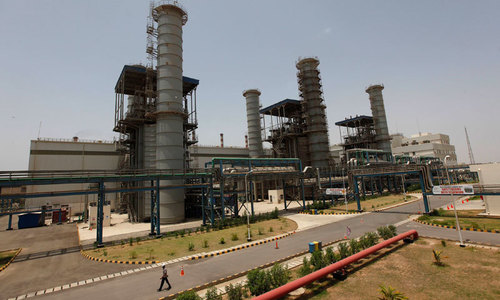
In 2019, the country’s total gas demand stood at approximately 4,800 million cubic feet per day (mmcfd), in which more than 20pc of gas was supplied through Regasified Liquefied Natural Gas (RLNG) by the two terminals of Engro Elengy and Pakistan GasPort Consortium (PGPC).
The LNG cargoes have also witnessed an increase of 14pc in 2019 compared to 108 cargoes in 2018.
At present, several parts of Pakistan are facing low gas pressure or zero supply situation with a drop in the temperatures across the country. Different sectors of economy such as power plants, CNG stations, fertiliser plants and textile mills are facing huge production losses due to the gas shortage and the country could lose valuable foreign exchange as export orders may not be completed.
The current gas crisis could have been averted if more LNG cargoes had been imported in a timely manner as annual LNG import capacity of both the terminals was approximately 9.4 million tonnes. All LNG imported was regasified and pumped into the SSGC and SNGPL gas network to meet needs of power and industrial sector which offtakes 62pc and 25pc of regasified LNG, respectively.
The official said the authorities were first unprepared to prevail upon the power sector to utilise their committed demand during summers leading to oversupply crisis in the gas network and then failed to estimate rising gas demand in the country and line up additional imports. In both cases, the gas network and its consumers suffered.
Currently, natural gas contributes around 43pc to the country’s energy mix. However, it has been facing gas shortage since 2015 as its indigenous production has not been able to keep pace with the growing demand. For meeting this shortage, the country has been importing LNG which is converted into natural gas by the two LNG terminals.
Talking about the recent domestic prices for different fuels in 2019, the official explained that the average price stood at $11.1/mmBtu for RLNG, $12.6/mmBtu for furnace oil, $19.8/mmBtu for Liquid Petroleum Gas, $20.2/mmBtu for High Speed Diesel, and $20.4//mmBtu for mogas (petrol).
LNG has proved to be a cheaper solution and saved the country more than $3-4 billion in last four years. However, the situation may be changing now as furnace oil (FO) prices are showing declining trend as refineries in the international market were phasing out furnace oil production.
The FO prices are already dropped by almost 25pc in the recent months. The government needs to plan in advance and facilitate obsolete local refineries to upgrade.
He said the successful operations of these two terminals and the development of LNG import infrastructure had paved the way for more LNG terminals in the country. Pakistan needs at least three or four more LNG terminals to address its ongoing energy shortage.
Published in Dawn, January 3rd, 2020