Uber co-founder Travis Kalanick severs last ties to company


 1
1


About a decade after co-founding Uber, Travis Kalanick on Tuesday severed his last ties with the ride-hailing giant, announcing he would exit the board of directors at the end of 2019.
Kalanick, who was pushed out as chief executive in 2017 amid revelations about the controversial business practices that accompanied the company's stunning rise, will resign from the board of directors effective December 31 "to focus on his new business and philanthropic endeavours," Uber said in a statement.
"Uber has been a part of my life for the past 10 years. At the close of the decade, and with the company now public, it seems like the right moment for me to focus on my current business and philanthropic pursuits," Kalanick, 43, said in a statement released by the company.
"I'm proud of all that Uber has achieved, and I will continue to cheer for its future from the sidelines."
In March 2018, Kalanick announced the creation of a new investment vehicle, 10100, that will focus on both for-profit and non-profit ventures. The key areas of focus for the fund include real estate, e-commerce and innovation in China and India.
Among his most recent ventures, Kalanick has developed the so-called "ghost kitchen" company, CloudKitchens, which will rent communal kitchens near population centres that can prepare food for delivery services.
Even before Tuesday's announcement, Kalanick had taken steps to further distance himself from Uber, selling a large portion of his shares in early November.
The youthful Kalanick has been the personification of the go-go Silicon Valley disruptor associated with visionary entrepreneurship that upends traditional businesses, accompanies by unfettered growth.
Growth and growing pains
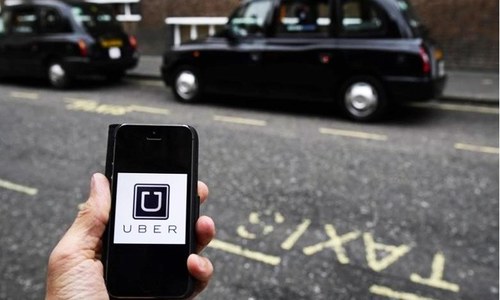
Kalanick and fellow Uber co-founder Garrett Camp got the idea for Uber while visiting Paris in December 2008 when they were unable to find a taxi.
UberCab launched in July 2010 in San Francisco. The company name was shortened in October to Uber.
The venture has grown rapidly since then, with operations in 700 cities in 65 countries at the time of its initial public offering in May.
Kalanick resigned from Uber in June 2017 amid heavy pressure following a series of disturbing reports about a cutthroat workplace culture, harassment, discrimination and questionable business tactics to thwart rivals.
The company appointed former Expedia chief Dara Khosrowshahi as chief executive later this year.
Khosrowshahi has taken steps to clean up the company's image, including as upgrading its rider safety programs and disclosing figures on sexual assaults.
But the company also still faces plenty of challenges as critics complain of excess traffic, aggressive labour practices and other ills. A regional court in Germany last week barred Uber from offering rides through car hire firms.
Wall Street analysts have also questioned the company's long-term profit prospects.
Khosrowshahi said on Tuesday that "very few entrepreneurs have built something as profound as Travis Kalanick did with Uber".
Board Chairperson Ron Sugar thanked Kalanick for "his unique expertise, honed over 10 years building Uber from a scrappy startup into the global public company".
Uber shares, which have fallen more than 25 per cent since the company went public in May, rose on Tuesday in a holiday-shortened session.
Shares gained 0.4 per cent to finish at $30.44.