THERE is little doubt that any outbreak of violence between Saudi Arabia and Iran will have a destabilising impact on Pakistan for a variety of reasons. Perhaps this helps explain Prime Minister Imran Khan’s shuttle diplomacy between Tehran and Riyadh.
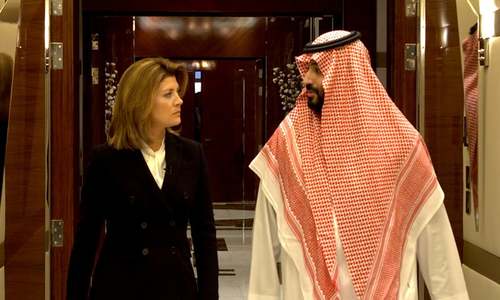
Mr Khan was in the Iranian capital on Sunday and met Supreme Leader Ayatollah Ali Khamenei and President Hassan Rouhani. The prime minister is due in Saudi Arabia today. While in Tehran, Mr Khan said that efforts to facilitate dialogue between the Saudis and the Iranians were his own initiative. The prime minister added that he wanted the “brotherly countries to iron out their differences”. He had also said on the sidelines of the UN General Assembly last month that the US president had asked him to “de-escalate” the situation with Iran.
Considering the combustible situation in the Gulf, there are signs that multiple efforts are underway to bring down the political temperature, mainly through backchannel means, but also through public diplomacy like that of the prime minister.
There have been reports of a secret UAE effort to open channels of dialogue with Iran, while Saudi Arabia is also said to have sent messages to Tehran via Iraq. Such efforts must be encouraged. A peaceful resolution to the crisis in the Gulf pitting Iran against Saudi Arabia and its allies is a far more preferable course than confrontation.
In this regard, Pakistan is indeed in a unique position. Both Shias and Sunnis call this country home, while it shares a long border with Iran, as well as maintains cordial relations with the Saudis. Therefore, it can act as a bridge between Tehran and Riyadh and help facilitate a dialogue.
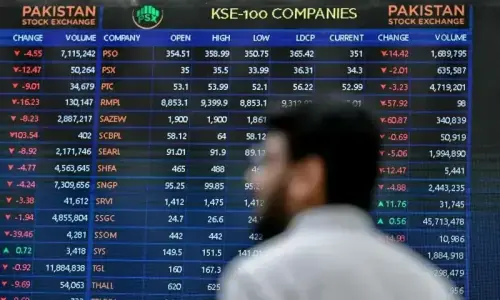
On the other hand, should things go awry, Pakistan will be among the first victims of instability. The religious factor means that sectarian passions will be inflamed, while violence in the Gulf, not far from this country’s waters, will have a debilitating effect on the national economy, as will the spiralling oil prices.
The task before the leadership is complex; the Saudi-Iranian rivalry has now entered its fifth decade, and both states are in two distinct geopolitical camps with opposing agendas and visions for the Middle East. It will take a high level of diplomacy and trust for Pakistan’s efforts to pay off. But as it appears, the response from Tehran has been positive. It remains to be seen what the public reception to the idea of facilitation is in Riyadh.
Published in Dawn, October 15th, 2019