UN experts call for assessing Suu Kyi’s ‘culpability’ in Rohingya abuses


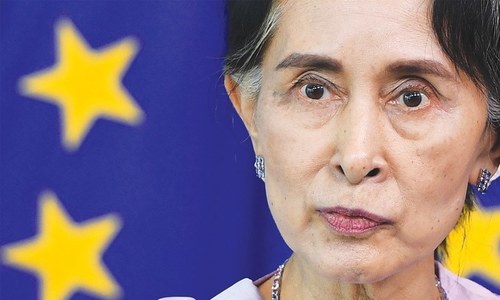
GENEVA: UN investigators called on Tuesday for an expert evaluation of whether Myanmar’s civilian leader Aung San Suu Kyi can be legally implicated in the abuses committed against the country’s Rohingya minority.
The fact-finding mission to Myanmar, set up by the UN Human Rights Council, said they were not equipped to determine what level of responsibility Suu Kyi should shoulder for the Rohingya crisis.
“It will become a legal issue whether or not there is an element of culpability here,” fact-finding mission chair Marzuki Darusman told reporters in Geneva.
The Human Rights Council recently created a panel to prepare criminal indictments over atrocities committed in the country — the so-called Independent International Mechanism for Myanmar (IIMM) — which could have the expertise to determine what responsibility Suu Kyi bears in the crisis.
“It is still an open-ended question to what extent she might be implicated,” Darusman said.
When asked if the Nobel laureate might be implicated, he said “that is for the judicial process to address,” referring to the IIMM.
The fact-finding mission last year branded the army operation in August 2017 as “genocide” and called for the prosecution of top generals, including army chief Min Aung Hlaing.
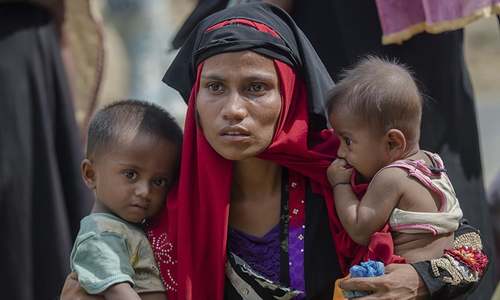
Some 740,000 Rohingya fled burning villages, bringing accounts of murder, rape and torture over the border to sprawling refugee camps in Bangladesh, where survivors of previous waves of persecution already languished.
And in a damning report published on Monday, the investigators warned that the 600,000 Rohingya still inside Myanmar’s Rakhine state remain in deteriorating and “deplorable” conditions and continue to face a “serious risk of genocide”.
The experts told the rights council on Tuesday that they had a confidential list of some 150 names, including officials, suspected of being involved in genocide, crimes against humanity and war crimes.
Darusman said that the investigators initially shied away from laying blame on Suu Kyi, who spent years in house arrest before her party in 2015 won Myanmar’s first fully free vote for generations.
Published in Dawn, September 18th, 2019