0
0


JAKARTA: Indonesia has cut off internet access in unrest-hit Papua over fears that a stream of offensive and racist online posts would spark more violent protests in the region, but critics slammed the move as a threat to free speech.
Riots and demonstrations brought several Papuan cities to a standstill this week, as buildings were torched and street battles broke out between police and protesters in Indonesia’s easternmost territory.
A rebel insurgency against Jakarta’s rule has simmered for decades in the resource-rich but impoverished island, which shares a border with Papua New Guinea.
The riots appear to have been triggered by the arrest of dozens of Papuan students in Java at the weekend, who were also pelted with racist abuse.
Indonesia had slowed internet service in recent days to clamp down on hoaxes and provocative comments targeting Papua’s ethnic Melanesian population.
It shut down service completely late Wednesday, although many users still managed to get around the block.
“The amount of racist and provocative content was very high ... and it went viral,” said communications ministry spokesman Ferdinandus Setu.
Amnesty International hit out at the measure, saying that “this blanket internet blackout is an appalling attack on people’s right to freedom of expression”.
“This is not a time for censorship,” said Usman Hamid, the group’s executive director in Jakarta.
Calm appeared to have been mostly restored on Thursday after Indonesia sent in 1,200 extra police and military to Papua. A few dozen protesters were arrested. Several police officers had been injured, and there were unconfirmed reports of wounded demonstrators. No deaths have been reported.
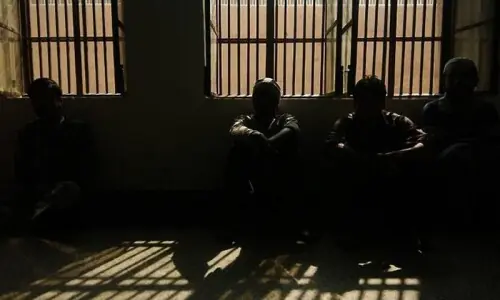
The unrest came after reports that authorities tear-gassed and briefly detained some 43 Papuan university students in Surabaya, Indonesia’s second-biggest city, on Saturday — the country’s independence day.
In Jakarta on Thursday, more than 100 demonstrators scuffled with police near the presidential palace as they called for Papuan independence.
“Papuan students are treated like second-class citizens,” said university student Mika Dabe. “Our dignity and pride have been trampled on.”
Papua has been the scene of a low-level insurgency aimed at breaking away from Indonesia, which took control of the former Dutch colony in the 1960s after an independence referendum widely viewed as a sham.
Security forces have long been accused of committing rights abuses against Papuans who say they have not shared in the impoverished region’s vast mineral wealth.
Published in Dawn, August 23rd, 2019