UAE not leaving Yemen despite drawdown


DUBAI: The United Arab Emirates has said it is not leaving Yemen despite a redeployment of its forces in the war-torn country, as Houthi rebels said they were ready to stop attacks on Saudi Arabia.
The UAE is a key partner in a Saudi-led military coalition which intervened in Yemen in 2015 to back the internationally recognised government of President Abd-Rabbu Mansour Hadi against Iran-aligned Houthi rebels.
Earlier this month it said it was redeploying and reducing troops across Yemen and moving from a “military-first” strategy to a “peace-first” plan.
“Just to be clear, the UAE and the rest of the coalition are not leaving Yemen,” UAE minister of state for foreign affairs Anwar Gargash said in an op-ed published on Monday in The Washington Post.
“While we will operate differently, our military presence will remain. In accordance with international law, we will continue to advise and assist local Yemen forces.” Gargash said Houthis should see the UAE move as a “confidence-building measure to create new momentum to end the conflict”.
“As the United Arab Emirates draws down and redeploys its forces in Yemen, we do so in the same way we began — with eyes wide open,” he said.
“There was no easy victory and there will be no easy peace. But now is the time to double down on the political process.” The warring sides have fought to a stalemate, and several rounds of UN-sponsored talks, the last held in Sweden in December, have failed to implement any deal to end the war.
Since 2015, tens of thousands of people — mostly civilians — have been killed in the conflict described by the United Nations as the world’s worst humanitarian crisis.
The conflict has also seen the Houthis launch repeated attacks on Saudi Arabia, including at least 20 missile and drone strikes on the oil-rich kingdom in June alone.
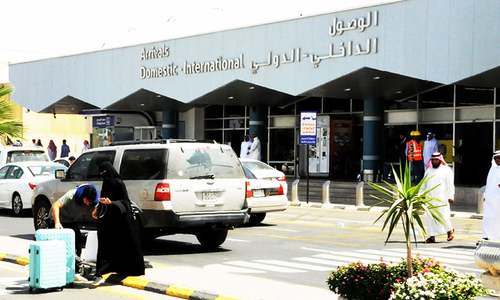
Saudi advanced air defences successfully intercepted most of the strikes but failed to deal with some, including a drone attack on the vital airport of Abha, in the south, that killed one person and injured 21 others.
On Tuesday, the Houthis’ top political leader Mahdi al-Mashat said the group was ready to stop attacks on Saudi Arabia and engage in a dialogue with it but on certain conditions.
“(We) are fully prepared to stop missile and air strikes if the enemy takes similar measures and facilitates the flow of basic aid through ports, and then we can begin a political process,” he said, according to the Houthis’ Saba news agency.
He also denied that the Houthis were “puppets” of Iran as purported by the United States and its Saudi and Emirati allies.
Mashat made the comments during a visit to Sanaa by Robert Malley, president of the International Crisis Group consultancy and a former adviser to US ex-president Barack Obama.
The visit by an American and think tank head to the rebel-held Yemeni capital is notably rare.
Malley, in a tweet, said he visited Sanaa as part of a trip that has already taken him to Aden, seat of Yemen’s internationally recognised government, as “part of our efforts to speak to all sides and help bring an end to the catastrophic Yemen war”.
Published in Dawn, July 24th, 2019