Amnesty urges UN probe of 'systematic' Philippine drug war killings


 5
5



Philippine President Rodrigo Duterte's narcotics crackdown has become a “systematic” campaign of killing, Amnesty International alleged on Monday, urging the United Nations to launch a probe into thousands of deaths.
The drug war is Duterte's signature initiative and is heavily supported by many Filipinos, however the nightly slaying of suspects by police and masked gunmen has provoked international condemnation.
In its second report since the crackdown was launched in mid-2016, Amnesty said there is a well-worn pattern of deadly police operations, planted evidence and abductions that start with so-called “watch lists”.
Those names are supplied by local officials who are “under immense pressure” from authorities to provide a steady stream of suspects, the London-based monitor said.
“Worse still, individuals on watch lists appear to be placed on them indefinitely, with no means of getting delisted, even after they have gone through drug treatment or stopped using drugs,” said the report.
Amnesty said it was impossible to determine how many people have been killed in the campaign, accusing Manila of “deliberate obfuscation and misinformation” that has left victims' kin feeling helpless.
The government's official toll is just over 5,300, but watchdogs say the true number is quadruple that.
“What we believe is most important, in assessing the current situation, is the systematic nature of the violations,” Amnesty's East Asia director Nicholas Bequelin told AFP.
Amnesty said the press has lost interest in the killings while the government fails to investigate or provide adequate treatment programmes for drug users.
“It has had the effect of creating a climate of total impunity in the country, in which police and others are free to kill without consequence,” it said.
“There is sufficient evidence to conclude that crimes committed may constitute crimes against humanity,” the group added.
'Failure of international community'
Amnesty said it investigated the deaths of 27 people over the past year in Bulacan, a province near Manila that has become “the country's bloodiest killing field”.
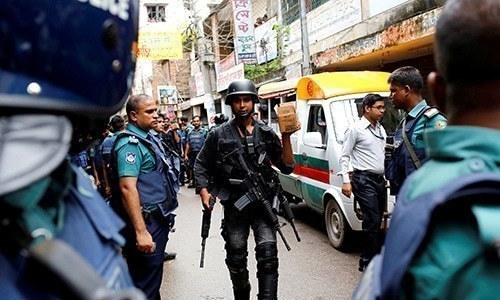
Police broke down doors before shooting drug suspects inside and abducted others to be killed elsewhere, it alleged.
Police also tampered with crime scenes and fabricated their reports, planted evidence and stole from victims, it added.
Amnesty called on the UN Human Rights Council to open an inquiry to “put an end to these crimes, and to provide justice and reparations for countless families and victims”.
“We ask that the council vote on the resolution and let it pass this week so that an independent investigation can commence led by the UN,” Amnesty section director in the Philippines Butch Olano told reporters.
He was referring to a draft resolution, proposed by Iceland and backed mainly by Western nations, which calls for a probe into the drug war and that is expected to go up for a vote before the council sessions ends on Friday.
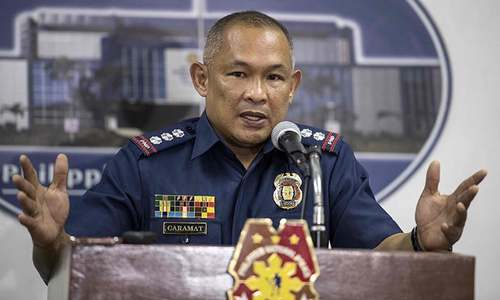
Duterte's spokesman on Monday criticised as “incorrigible” Amnesty's call for a probe, adding police only killed suspects in self-defence.
“The problem is Amnesty International is politicising the so-called extra-judicial killings in this country so there is bias. There is prejudice,” Salvador Panelo told reporters.