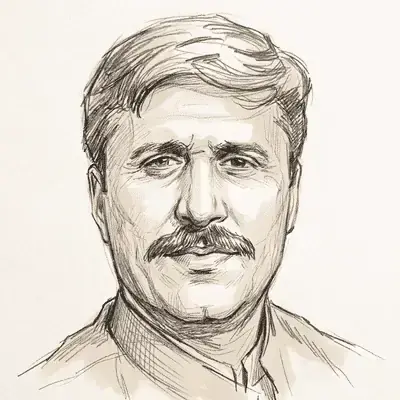
Those opposing IMF deal have already done the same: Hafeez


ISLAMABAD: Adviser to the Prime Minister on Finance Dr Abdul Hafeez Shaikh on Tuesday defended the bailout package that he negotiated with the International Monetary Fund (IMF) saying it is in favour of Pakistan.
“Those who are opposing the IMF programme are the ones who had already done the same,” Dr Shaikh said in response to a question at the announcement of Asset Declaration Scheme at the Federal Board of Revenue headquarters.
The adviser said that the actions that his government will take in the wake of IMF bailout package such as reducing the gap between imports and exports, reducing losses of state-owned entities and curtailing expenditure are in favour of the country.
Dr Shaikh said some people were apprehensive that the electricity tariff will be increased under the IMF accord. He clarified that if that is done, those who consume less than 300 units will not be affected.
He said these consumers are approximately 75 per cent of the total electricity consumers in the country. The adviser said that in the Budget 2019-20 an amount of Rs216bn will be allocated for subsidising these consumers.
The adviser further said that lower income people will not be affected by the increase in electricity rates.
Similarly, the adviser said that if the gas rates are increased, almost 40pc of the low gas consumers will not be affected by the increase.
“Pakistan has been going to the IMF again and again because it failed to increase its exports, foreigners remained reluctant to invest in the country, large state institutions remained loss-making and revenue mobilisation was not done [effectively]”, the advisor replied to another question whether it will be last the last IMF programme.
On the development side, the advisor said that in the next budget 2019-20 an amount of Rs550bn to Rs600bn will be allocated for Public Sector Development Programme. “We will increase this funds to Rs700bn to Rs800bn in the year 2020-21, the adviser said.
Funds allocation for the Benazir Income Support Programme and Ehsas Programme will be enhanced to Rs180bn in the budget 2019-20,” Hafeez said, adding that the government is aware of the difficulties of low-income people.
On the issues of taxation measures, the adviser said that the same principle will be applied in the tax proposals to consider only those measures which have impact only on higher income people. “We will not tax the lower income people”, the adviser said.
Published in Dawn, May 15th, 2019