'Reuse of syringes by quacks likely cause of recent HIV cases in Larkana'

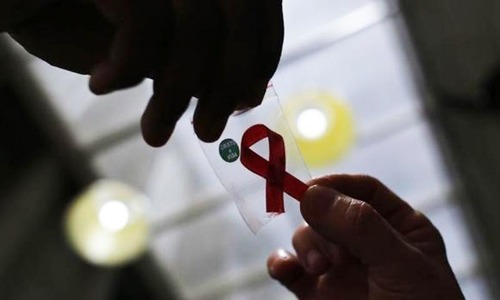
Reuse of syringes by quacks appears to be the leading cause behind the recent wave of HIV-positive cases in Larkana, which rose by 32 on Friday to reach a figure of 128 — of which 102 are children — since last week, according to sources within the Sindh health department.
“Only in one case, the child’s mother was HIV-positive which shows that the virus was vertically transmitted from the mother to the child [in one case only],” said a provincial level health functionary on condition of anonymity.
Since the unusually high number of cases were reported in the last week of April, a total of 3,483 people have been screened in Ratodero taluka by Sindh government’s AIDS Control Programme staff.
The programme, along with Safe Blood Transfusion Authority and Sindh Healthcare Commission have joined hands in handling the crisis considering the fact that unsafe blood transfusion could be a possible cause behind the rise in HIV cases as well as the operation of 'quack' clinics, which the recently established Sindh Healthcare Commission (SHCC) has been tasked with banning.
Believing that an illegal medical practitioner was responsible for the spread of the disease, Ratodero police on Tuesday, had arrested a doctor for allegedly spreading HIV among patients.
Larkana Deputy Commissioner (DC) Mohammad Siddique Noman had confirmed that a first information report (FIR) was registered with the police. His statement was disputed by Sindh Health Services Director General Dr Masood Solangi.
Later, the DC had made another statement that the detained suspect was not of sound mind.
Examine: HIV is not a death sentence. So why do we treat it like one?
Larkana police, however, according to credible sources, found the suspect to be of sound mind during their investigations. However, police are seeking the assistance of some senior doctors to investigate the case in view of the nature of charges levelled against the doctor.
The suspect's clinic had earlier been sealed following his arrest, which is yet to be unsealed for the examination of instruments in the presence of doctors and a judicial magistrate.
SHCC, quoting Pakistan Medical and Dental Council, said that it is estimated that more than 600,000 quacks are operating across Pakistan and one-third of them are practicing just in Sindh. Around 40 per cent of those in Sindh, are working in Karachi, the commission added.
According to People’s Primary Healthcare Initiative (PPHI), 140 confirmed HIV-positive cases, 73 of which surfaced between January and March this year, were reported in Hyderabad district’s Hatri area during blood screening, but provincial authorities seem to not have taken the issue seriously.