Hague court turns down Afghan war crimes probe as US hails victory


 30
30


The International Criminal Court turned down on Friday a request to open a war crimes probe in Afghanistan, with the United States hailing a victory for its strong-armed tactic of revoking the chief prosecutor's visa.
Rights groups denounced the judges' decision as a blow for thousands of victims in the long-running Afghan conflict and warned it could embolden perpetrators around the world to act with impunity.
“The judges decided that an investigation into the situation in Afghanistan at this stage would not serve the interests of justice,” the Hague-based court said in a statement.
With its limited budget, the court needs to prioritise resources on “activities that would have a better chance to succeed”, the judges said.
ICC prosecutors in 2006 opened a preliminary investigation into war crimes and crimes against humanity committed in Afghanistan since 2003.
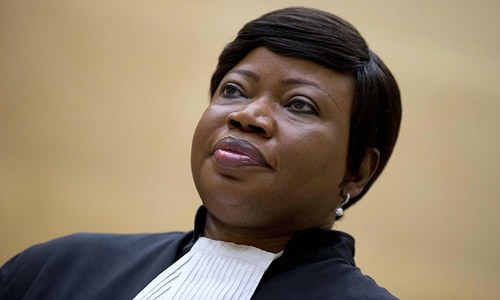
In 2017, chief prosecutor Fatou Bensouda asked judges to allow a full-blown probe not only into the Taliban and Afghan soldiers, but also international forces, particularly US troops and members of the Central Intelligence Agency.
Angered, President Donald Trump's administration said it would deny visas to any ICC members involved in probing US troops and, last week, it revoked the visa of the Gambian-born Bensouda.
“This is a major international victory, not only for these patriots, but for the rule of law,” Trump said in a statement.
He vowed not to relent on the pressure, saying: “Any attempt to target American, Israeli or allied personnel for prosecution will be met with a swift and vigorous response.”
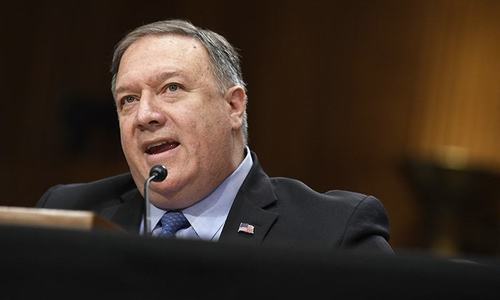
Secretary of State Mike Pompeo highlighted that the decision came after his announcement of the visa restrictions and said: “I am glad the court reconsidered its actions.”
Bensouda, who says that the United States and Afghanistan have taken no steps to properly investigate alleged crimes, offered a measured response, with her office saying it would “analyse the decision and its implications, and consider all available legal remedies.”
Intense US pressure
The US has never joined the ICC and does not recognise its authority over American citizens, saying it poses a threat to national sovereignty and that it has its own robust procedures in place.
While former president Barack Obama cooperated in a limited way with the court, notably supporting efforts for accountability in African conflicts, the Trump administration has been unremittingly hostile and has also threatened to seize funds and prosecute in US courts any judges and prosecutors who target Americans or their allies.
In the Afghanistan case, judges said on Friday that a large number of victims had come forward: some 699 applicants in total made representations on behalf of “several millions of victims”.
“Notwithstanding the fact that all the relevant requirements are met as regards both jurisdiction and admissibility,” they said, “the current circumstances in Afghanistan ... make the prospect of a successful investigation and prosecution extremely limited.”
The judges pointed to the time that had elapsed since the opening of the preliminary probe more than a decade ago, Afghanistan's changing political scene and the “lack of political cooperation” with Bensouda, which was likely to worsen should an investigation proceed.
“In the foreseeable absence of additional resources for the coming years in the court's budget, authorising the investigation would result in the prosecution having to reallocate financial and human resources,” the judges said.
This would “be to the detriment of other scenarios ... which appear to have more realistic prospects to lead to trials and thus effectively foster the interests of justice.”
'Blow for victims'
Human rights groups warned that the decision would have repercussions well beyond Afghanistan.
It is “a devastating blow for victims who have suffered grave crimes without redress”, said Param-Preet Singh, the international justice associate director of Human Rights Watch.
“This sends a dangerous message to perpetrators that they can put themselves beyond the reach of the law just by being uncooperative.”
The American Civil Liberties Union said that the Trump administration had played “a dangerous game”.
“It is outrageous that victims of war crimes are far less likely to get justice for well-documented atrocities because of the Trump administration's authoritarian efforts to sabotage an investigation before it even started,” said Jamil Dakwar, director of the group's human rights programme.
"No one except the world's most brutal regimes win when we weaken and sabotage international institutions established to fight impunity and hold human rights abusers accountable."