

Taliban announce 'ban' on Red Cross, WHO in Afghanistan
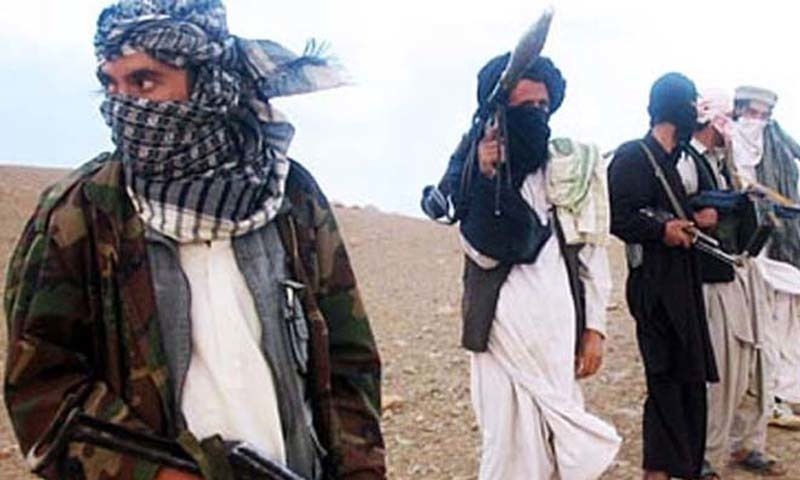

The International Committee of the Red Cross said Thursday it had suspended work in Afghanistan after the Taliban announced a “ban” against the humanitarian group and the World Health Organization.
According to a Taliban statement, the ICRC had not “acted upon its agreements” with the Taliban.
The insurgents, who control or influence about half of Afghanistan, also accused the WHO of “suspicious movements” during a vaccination campaign.
As a result, the Taliban have “decided to ban the operation of these two organisations across the country until further notice,” the militants said, noting they would not guarantee health workers' safety.
ICRC spokesman Robin Waudo said the organisation had put its activities on hold in war-torn Afghanistan, where many in rural areas have scant access to health care and where polio rates are rising.
“We acknowledge this announcement and have suspended our activities in the country due to the withdrawal of security guarantees,” Waudo told AFP.
“Therefore, we are now in the process of contacting the (Taliban) to initiate a bilateral and confidential dialogue in view of the statement.” Jin Ni, a WHO spokeswoman in Afghanistan told AFP that officials “acknowledge the reports and are working on better understanding the situation.”
The Taliban last August cancelled a “security agreement” with the ICRC, which suspended activities as a result.
According to the Taliban, the ICRC resumed its activities in October following talks.
The number of polio cases worldwide has fallen by more than 99 percent since 1988, but the WHO still considers Afghanistan, Nigeria and Pakistan to be polio-endemic.



























