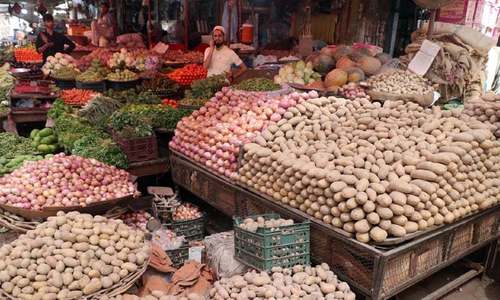
Chilli, tomato not healthy options for consumers’ pocket
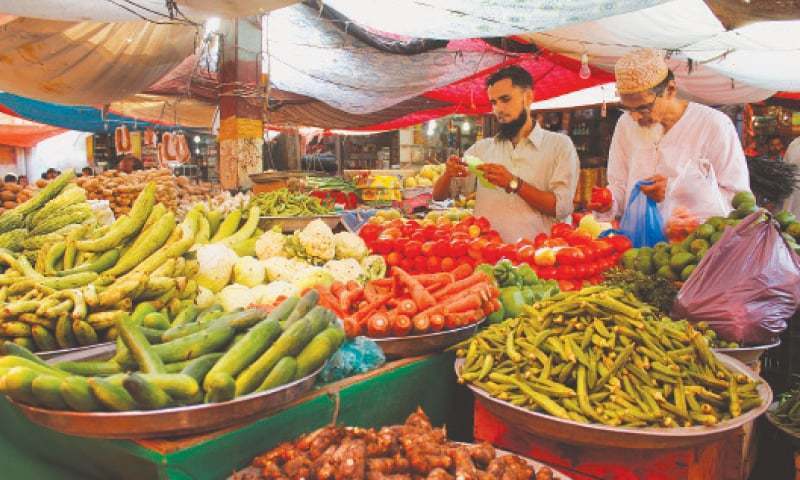
LAHORE: Prices of tomato and chilli have gone up manifold in the city in the last couple of months.
Tomatoes were available on an average rate of Rs24 per kg in the corresponding period in the last year but the vegetable fruit is being sold from Rs100 to Rs200 per kg now.
Similarly, the prices of green chilli hardly crossed Rs100 in the year 2018. Now, its prices have gone up in the last one month to Rs400 per kg in the local market.
The two vegetables, particularly green chilies, are seldom seen on vendors’ carts.
The administration fined many vendors in Sunday Bazaars for not bringing green chilies for sale at their stalls.
Yasin, who runs a vegetable shop in a posh locality, passes the buck for skyrocketing prices of vegetables, including tomato and green chilies, on to the auction system in mandis (wholesale markets).
He said that in the absence of a price ceiling in the markets, arhtis or commission agents and middlemen were free to sell the commodities at the rates of their own choice without any let or hindrance, while poor retailers were forced by various government departments to sell the merchandize at fixed rates, even below than their purchase prices.
“How can we sell a thing bought at Rs100 per kg at Rs80 or even at the purchase price as we have to pay transportation charges, shop rent, electricity charges, etc? Don’t we have families to feed by earning some profit from our day long labour?” he questions.
An official of the agriculture department, which is responsible for ensuring supplies to Sunday bazaars, says that since Punjab does not produce tomato and green chili crops at this time of the year, these are supplied from Sindh and Balochistan provinces and thus are sold at comparatively high rates here.
Rain in the last four weeks damaged crops and cut off supply routes which led to an unusual increase in the prices, he added.
He said that the prices would not go unusually higher in the past because there was the option of importing them from India through Wagah border. Since the imposition of non-tariff barriers by both sides, and tensions prevailing in the wake of India’s Balakot aggression, supplies from India have become a matter of the past and the end-sufferer is the consumer.
Published in Dawn, March 13th, 2019