France gives €130m loan for Peshawar bus project


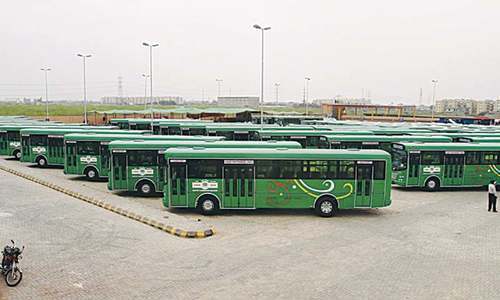
ISLAMABAD: The French government has decided to provide a soft loan of 130 million euros (Rs19.5 billion) for the Peshawar Sustainable Bus Rapid Transit Corridor Project.
Economic Affairs Division Secretary Noor Ahmed, Ambassador of France Marc Barety and Country Director of the French Development Agency (AFD) Jacky Amprou signed the credit facility agreement here on Tuesday.
The Executive Committee of National Economic Council had approved the revised PC-1 of the project in November last year, while the federal cabinet accorded approval to the signing of the agreement with the AFD early this month. The AFD and Asian Development Bank have co-financed the project.
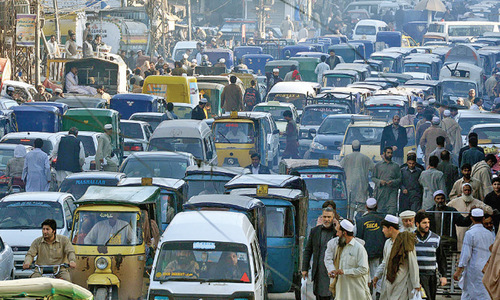
The revised cost of the project is Rs66.437bn ($593m), including foreign exchange component of Rs53.32bn shared by the ADB and AFD. The project will contribute to the government’s strategy to resolve the issues of urban transportation.
It will provide safe, efficient and comfortable user-friendly mass transit system, which will be well integrated with the existing transport facilities. It will also help in improving energy efficiency and air quality through reduction of greenhouse gas emissions.
To date, the AFD has committed 880m euros financial support, while the Peshawar project will open new avenue of collaboration in the urban development sector, according to the French embassy in Islamabad.
France through the AFD is working in Pakistan, providing technical and financial support to develop low-carbon infrastructures.
The AFD is an inclusive public financial institution and the main actor in France’s development policy. It makes commitments to projects that genuinely improve the everyday lives of people, in developing and emerging countries and in the French overseas territories.
It has been fighting against poverty around the world for over 75 years by supporting policies and investments that benefit the poorest populations. Strengthening social ties between individuals, groups and territories is now central to its projects in the sectors of education, health, employment, urban planning and climate.
Published in Dawn, January 23rd, 2019