SHC grants bail to 5 suspects arrested by NAB over involvement in Rs63bn oil firms scam



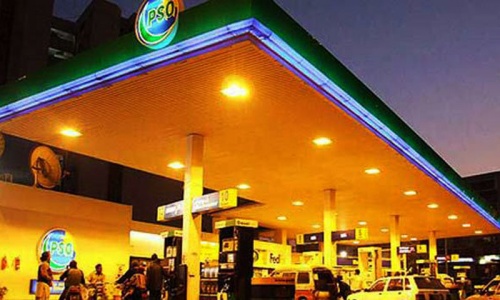
The Sindh High Court (SHC) on Wednesday granted bail to the five suspects arrested by the National Accountability Bureau (NAB) over their alleged involvement in a Rs63 billion oil scam involving the Pakistan State Oil (PSO) and private oil firms.
The suspects — former general manager (supply) of PSO Akhter Zameer, former chief operating officer of Byco Pakistan Petroleum Ltd (BPPL) Kamran Iftikhar Lari, and former CEO of Byco Oil Pakistan Ltd (BOPL) Qaiser Jamal — were arrested in Karachi on July 11.
In other raids, NAB had arrested former general manager (retail, consumer business) of PSO and CEO of Jinn Petroleum Syed Zulfiqar Ali Jaffery in Islamabad and former senior general manager (marketing) of PSO Dr Syed Nazar A. Zaidi in Hunza, Gilgit-Baltistan.
The SHC issued its verdict after hearing the bail petitions filled by the accused.
According to NAB, the five suspects were wanted in a petroleum sale and purchase scam. The PSO was accused of making illegal agreements with oil firms, which caused colossal loss to the national exchequer.
The suspects in connivance with each other awarded an illegal contract of crude oil supply worth Rs2.43 billion to BPPL in 2008-09 against which no payment was received.
According to NAB, it was established that the former PSO officials abused their authority by entering into an illegal contract of sale and purchase of petroleum products with Byco Oil Pakistan Ltd (BOPL) in 2012 for supply of petroleum products to PSO despite the fact that BOPL was commissioned in 2013. As a result of the illegal agreement, substandard products were supplied to the PSO that caused loss of Rs60 billion to the national exchequer.
During the course of investigation, NAB found that then PSO management abused its authority by entering into another illegal agreement with BPPL for sales and purchase of petroleum products, whereby the PSO supplied superior quality imported products (HSD & Petrol) to BPPL at abnormally subsidised rates, causing loss to the national exchequer.
“Three agreements were entered into by PSO with mala fide and illegal considerations of extending favours to blue-eyed companies in petroleum business and with intention of personal illegal gains,” said a NAB official.
The entire scam caused Rs63.687 billion loss to the national exchequer, according to a NAB press release.
It was after this that the Supreme Court had ordered a complete audit of the PSO to verify the pricing structure for the last three years and determine the fairness of the price the consumers are charged for the import of motor oil, high-speed diesel, and furnace oil.