IMF calls for further hike in gas, power tariffs


WASHINGTON: Pakistan is facing significant economic challenges, with declining growth, high fiscal and current account deficits and low levels of international reserves, says a report released by the International Monetary Fund (IMF) on Thursday.
The IMF end-of-mission statement acknowledges that Islamabad has recently taken some policy measures, but said those were not sufficient and “decisive policy action and significant external financing” were needed to stabilise the economy.
“Once stabilisation is beginning to take hold, increasing focus is warranted on critical reforms to foster sustained and inclusive growth and strengthen institutions,” the report says.
An IMF staff team led by Harald Finger visited Islamabad from Sept 27 to Oct 4 to discuss Pakistan’s economic situation and exchange views on policies required for economic stabilisation and sustainable and inclusive growth.
End-of-mission statement also advocates strengthening fiscal federalism arrangements eliminating losses of public enterprises
At the end of the visit, Mr Finger observed: “Pakistan is facing an increasingly difficult economic situation, with high fiscal and current account deficits, and low international reserves.” He blamed “overvalued exchange rate, loose fiscal policy and accommodative monetary policy” for this situation.
Mr Finger also noted that a fast rise in international oil prices, normalisation of US monetary policy and tightening financial conditions for emerging markets were adding to this difficult picture.
“In this environment, economic growth will likely slow significantly, and inflation will rise,” he warned.
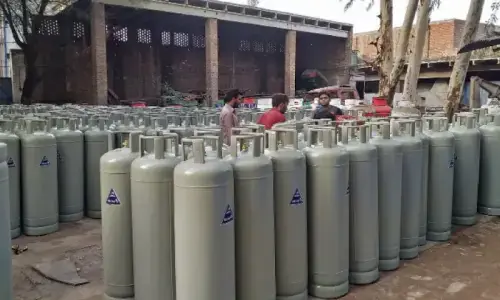
The IMF team welcomed the policy measures implemented since last December, including 18 per cent cumulative depreciation of the rupee, interest rate increases of cumulatively 275 bps, fiscal consolidation through the budget supplement proposed by the minister of finance. Other measures include a large increase in gas tariffs closer to cost recovery levels and the proposed increase in electricity tariffs.
“These measures are necessary steps that go in the right direction,” Mr Finger said.
The IMF team suggested that additional decisive policy action anchored in a comprehensive strategy and significant external financing would also be needed in the near term.
“Policies should include more exchange rate flexibility and monetary policy tightening, further fiscal adjustment anchored in a medium-term consolidation strategy and strengthening the performance of key public enterprises together with further increases in gas and power tariffs,” the report adds.
The IMF team said that these steps would help reduce current account pressures and improve debt sustainability. Importantly, to protect the more vulnerable segments of society, there is a need to further strengthen social protection through the Benazir Income Support Programme, the report says.
“These policies will help stabilise the economy and lay the foundations for sustainable and inclusive growth,” Mr Finger said.
The IMF team urged the Pakistani authorities to shift their focus to reforms to foster sustained and inclusive growth and strengthen key institutions, once stabilisation began to take hold.
Priority areas identified in the report include modernising the tax system and public financial management, strengthening fiscal federalism arrangements, improving governance and eliminating losses of public enterprises.
Other suggested measures include enhancing the State Bank’s autonomy, intensifying efforts aimed at curbing money laundering and countering terrorism financing, improving the business climate and anti-corruption efforts and fostering the economic inclusion of the poor, youth, and women.
Published in Dawn, October 5th, 2018