1
1

LAHORE: A non-governmental organisation study has revealed that photos and videos being posted on social media are most popular sources of hate speech in the campaign for general elections 2018.
The study on “Electoral Hate-speech on Social Media in Pakistan” was launched at a local hotel by youth development organization Bargad.
The study was part of a project that trained 200 peace champions from 10 universities from Punjab and Khyber Pakhtunkhwa. The peace champions executed 100 social action projects on their campuses and communities, ran social media campaigns and prepared fellow youth for the upcoming elections.
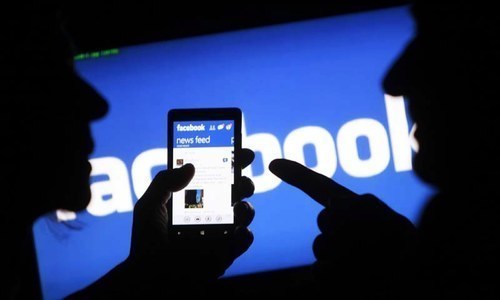
It showed that there were 32 million active monthly Facebook users as against 3.5 million Twitters users in Pakistan and the users were running hate speech and political campaigning mostly on Twitter.
A research team monitored and gathered data of more than 30,000 social media accounts for three months from April to July 2018 from Twitter and Facebook.
The research revealed that social media was facilitating discourses of hate-speech and how it was being used for election campaigning by the candidates and supporters.
The team also had gathered data of 20 top Facebook pages (chosen based on high ranking in Pakistan) and their connection with the upcoming elections. The analysis revealed that photos and videos being posted on social media were most popular sources of hate speech. The study showed that allegation and character assassination were the most widespread forms of hate-speech followed by religious intolerance and sexism. A lot of hate speech was directed towards sexism reflecting gender imbalance. In the online space, females were frequently attacked and harshly accused.
Use of swear words and hurling abuses is a common hate speech trait mostly found between PTI and PML-N supporters. Negative key words attributed to all political leaders are commonly used by opponents.
The study validates that hate-speech around elections is generated by organized on-line individuals networked into groups. It also finds that social media accounts that spread hate-speech are publicly operative but have not been taken down.
The study recommends compliance of laws, media regulation and code of conduct, awareness raising and inducting material on hate-speech in curriculum, among other measures to mitigate hate speech.
Published in Dawn, July 23rd, 2018