Japan executes sarin attack cult leader and six followers


 0
0


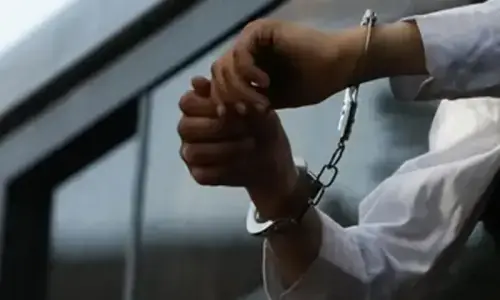
TOKYO: The leader of the Japanese doomsday cult that carried out a deadly 1995 sarin attack on the Tokyo subway was executed on Friday along with six of his followers, decades after the horrific crime.
Shoko Asahara, the charismatic near-blind leader of the Aum Shinrikyo sect, had been on death row for more than ten years for crimes including the nerve agent attack, which shocked the world and prompted a massive crackdown on the cult.
Japan’s Justice Minister Yoko Kamikawa confirmed the seven executions, saying the Aum members were responsible for “extremely atrocious and grave acts that were unprecedented and should never happen again”.
The hangings are the first executions in connection with the attack, which killed 13 people and injured thousands more. A further six cult followers remain on death row.
Japan is one of the few developed nations to retain the death penalty, and public support for it remains high despite international criticism.
Relatives of those killed in the attack, and others who were injured welcomed the executions.
“I reacted calmly... But I did feel the world had become slightly brighter,” said Atsushi Sakahara, a film director who was injured in the sarin attack at Tokyo’s Roppongi station. “I’ve been in pain for years,” he said.
“It will be impossible to ever forget the incident, but the execution brings a kind of closure.” Shizue Takahashi, whose subway worker husband was killed in the attack, told reporters she felt Asahara’s execution was entirely appropriate. “He of course deserves death,” she told reporters.
“The execution was processed as it should be... so no tears for me at all.”
The attack during the capital’s notoriously crowded rush hour paralysed Tokyo, turning it into a virtual warzone.
Members of the group released the chemical in liquid form at five points through the subway network, and soon commuters began struggling to breathe, staggering from trains with their eyes watering.
Others keeled over, foaming at the mouth, with blood streaming from their noses.
Sakae Ito, who was on the crowded Hibiya line that day, recalled commuters coughing uncontrollably.
“Liquid was spread on the floor in the middle of the carriage, people were convulsing in their seats. One man was leaning against a pole, his shirt open, bodily fluids leaking out.” Panic soon set in, with subway workers screaming at people to evacuate and passengers convulsing on carriage floors.
Japanese Self-Defense Force members dressed in hazmat suits and gas masks descended into the depths to help the injured and deal with the poison.
Published in Dawn, July 7th, 2018