4
4

A mother of two minor children was allegedly killed by her husband in Sindh's Umerkot district on Monday, in what police suspect is a case of 'honour' killing.
The man attacked the 30-year-old victim with a stick and kept hitting her until she died, police officials said. He did so after having suspicions about the woman's 'character'.
The incident took place in Vehro village within the limits of Umerkot police station.
The body of the slain woman was handed over to her relatives after an autopsy was performed at Civil Hospital Umerkot.
During a raid carried out after her death, police arrested the victim's husband. A first investigation report (FIR) was registered against the husband and two others on a complaint of Arjan Oad, the victim's brother, under relevant sections of the Pakistan Penal Code.
Honour killings continue despite new law
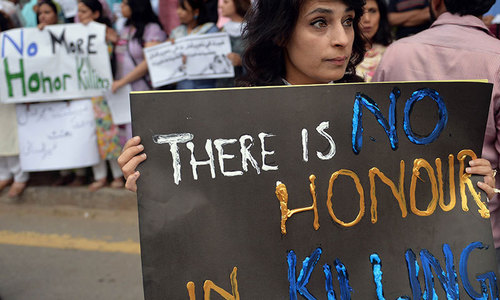
Scores of young women in Pakistan are still being murdered by relatives for bringing shame on their family, a year since new laws came into force aimed at stemming the flow of 'honour killings'.
The shocking murder of social media star Qandeel Baloch, allegedly by her brother in July 2016, turned the spotlight on an epidemic of murders in the name of honour and sparked a fresh push to close loopholes allowing the killers to walk free.
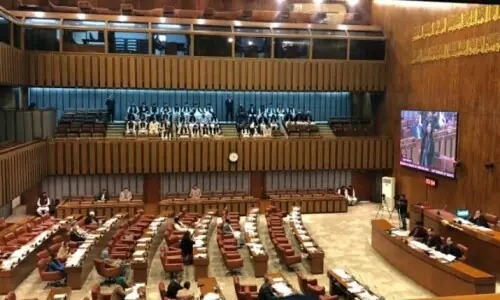
In October 2016, a joint sitting of both houses of parliament passed two key pro-women bills that had been pending assent for a long time.
The move at that time was cautiously hailed by women's rights activists. More than a year on, however, lawyers and activists say honour killings are still occurring at an alarming pace.
At least 280 such murders were recorded by the independent Human Rights Commission of Pakistan from October 2016 to June 2017 ─ a figure believed to be underestimated and incomplete.
The legislation mandates life imprisonment for honour killings, but whether a murder can be defined as a crime of honour is left to the judge's discretion.
That means the culprits can simply claim another motive and still be pardoned, according to Dr Farzana Bari, a widely respected activist and head of the Gender Studies Department at Islamabad's Quaid-i-Azam University.