18
18


KARACHI: For the sixth year in a row, Pakistan was termed “not free” by the Freedom House in its Freedom on the Net report released on Tuesday.
The report for the year 2017, which was researched by the Digital Rights Foundation (DRF) and research analysts at the Freedom House, assesses internet freedom in 65 countries, accounting for 87 per cent of internet users worldwide.
The report primarily focuses on developments that occurred between June 2016 and May 2017.
Cyberspace findings
In Pakistan, the report said that mobile internet services were shut down for more than a year in the Federally Administered Tribal Areas (Fata) starting in June 2016.
It went on to say that the Prevention of Electronic Crimes Act, enacted in August 2016, introduced stronger censorship and surveillance powers with inadequate oversight.
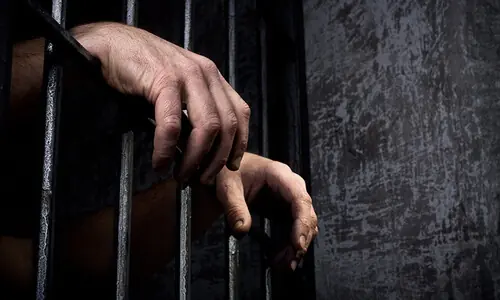
Key findings of the report highlighted cases where a teenager was arrested for allegedly “liking” a blasphemous post on Facebook in September 2016, a court awarded the death penalty in a separate Facebook blasphemy case in June this year and five bloggers, known for criticising authorities and religious militancy, were abducted in January — one later said that a government institution had detained and tortured him.
It also added that hackers stepped up attempts to target government critics and attacked a major media website.
“Internet regulation by the government and prosecution with regard to online speech has seen a marked increase,” said Nighat Dad, the executive director of DRF.
“The coverage period of this report includes the electronic crimes act which criminalises a lot of online speech. It has seen detentions on the basis of online speech. There have also been internet shutdowns in more remote parts of the country which means that marginalised populations have been denied access to the internet,” she said, adding that the only way to combat this would be to monitor the implementation of laws and ensure resources were allocated towards addressing issues like online violence against women and other vulnerable communities rather than targeting political speech.
Discussing how the DRF collected data for the report, Ms Dar said they tracked developments in terms of legislation, case law, reported detentions, primary and secondary sources.
“While researching we came across some shocking things such as how online users, especially minorities, were being persecuted and sentenced to death over social media posts,” she added.
The report said that the country’s Internet Freedom Status for the year 2017 had in fact worsened from that in 2016 with the ranking of 18 out of 25 for Obstacles to Access for 2016, the bar sits at 19 for the year 2017; and Violations of User Rights which sat at 31 out of 40 for the year 2016; it’s now at 32.
The overall ranking for Pakistan closes at 71 out of 100 (100 being the worst) for this year, two points down from last year’s ranking.
The report seeks to address failings of the state in protecting the rights of citizens by compiling and analysing evidence that activists and citizens concerned can use to push for greater democracy online as well as offline.
Published in Dawn, November 15th, 2017