0
0

ISLAMABAD: State emerges from society so it has no right to make the society hostage and start supporting non-state actors who are a threat to the society. As even political parties do not follow the Constitution, there is a need to have a new social contract to run the country.
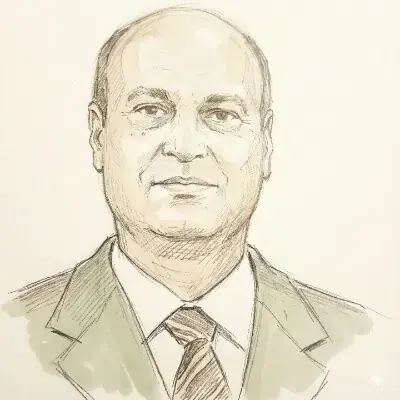
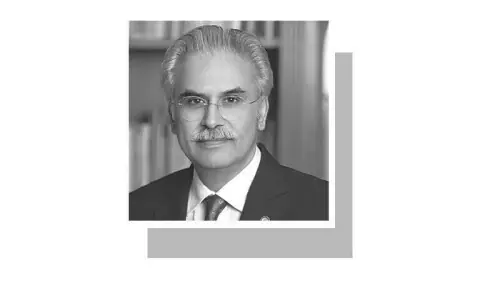
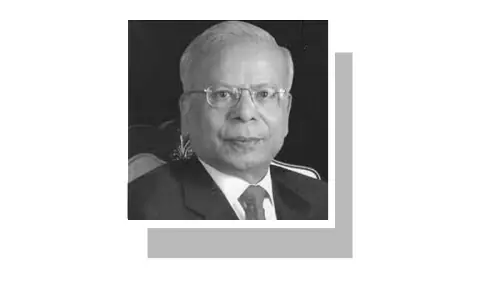
This was stated by Dr Khalil Ahmed, a philosopher, at the launch of his book, Imraani Muahiday ki Tashkeel-i-Nau (The reconstruction of social contract) at a local hotel on Friday. The event was organised by Pakistan Institute for Peace Studies.
Dr Ahmed said a majority of contracts and agreements among the citizens were completed without any intervention of the state. For example, if a citizen wants to carry out some work they just hire a contractor and get it done without the state’s interference.
“The role of the state starts in case of a violation in the contract by one of the parties, or in case of a dispute between them. It means 99pc contracts are completed without the assistance of the state. On the other hand, the state has failed to address even the few remaining issues,” he said.
Dr Ahmed claimed that a majority of the citizens lived on their own and depended on each other rather than the state. So there is a need to have a new social contract among the citizens without interference from the state.
“It is unfortunate that the state has been protecting criminals and those who have become a threat to the citizens. So a new social contract should be among the citizens rather than with the state,” he said.
In response to some of the speakers’ contention that the Constitution was the biggest social contract, Dr Ahmed said he did not consider it so because social contracts were based on cooperation, not on conflicts.
“Currently, non-governmental organisations are trying to incorporate the right to information (RTI) in the Constitution. However, I believe that everything should already be available on the websites of departments because the state is run with taxpayers’ money. Legislating RTI is the same as if a person contracts out the construction of his house and then starts asking the contractor how much amount is spent on the project,” he said.
“State, which is run from the taxpayers’ money, has no right to hide anything from the citizens. Moreover, the state cannot impose taxes on the citizens without a referendum,” he contended.
Educationist Dr A. H. Nayyar, who was moderating the event, said in the first 100 pages the book states that the current social contract in Pakistan should be reconsidered.
“The book states that the citizens are not satisfied with the current social contract with the state. But it is silent about what kind of a contract the citizens want,” he said.
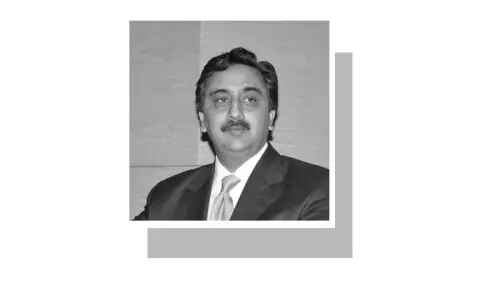
Executive Director Pakistan Institute of Parliamentary Services Zafarullah Khan said with the passage of time the concept of citizens and citizenship had been changing.
“Currently, if a person has £400,000 he can buy the citizenship of the UK. So the concepts of citizenship and the loyalty of a citizen to the state are changing.”
He said the constitution was the biggest social contract in any country and it should not be violated.
“It is unfortunate that in Pakistan corruption is considered a bigger crime than breaking the Constitution. I believe corruption of billions of rupees can be ignored but breaking the Constitution cannot be ignored or forgiven,” he said.
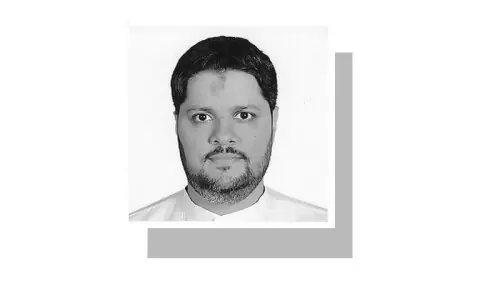
Former Council of Islamic Ideology (CII) chairman Dr Khalid Masood said the book pushes a reader into asking questions.
“It is written in such a way that the author seems talking to the reader. It says there should be a new contract among the citizens,” he said.
Published in Dawn, October 28th, 2017