Pakistan’s Sania Nishtar to head WHO’s commission to tackle non-communicable diseases


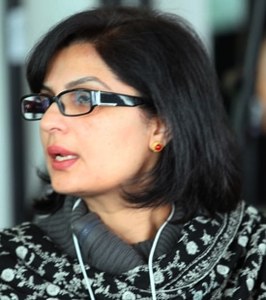
The United Nations health agency has announced the establishment of a high-level global commission on non-communicable diseases (NCDs) which will be led by Pakistan’s Dr Sania Nishtar.
The commission will seek to identify new ways to curb the world's biggest causes of death and extend life expectancy for millions of people.
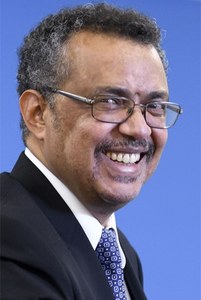
Director-General of the World Health Organization (WHO), Tedros Adhanom Ghebreyesus, said in a statement that new approaches and action are needed urgently to prevent people dying unnecessarily from non-communicable diseases.
“I am committed to engaging the very best people in the world to address our health challenges,” he said. “So, I am especially pleased that Dr Nishtar has agreed to lead this commission. I know she will bring impressive knowledge, credibility, and commitment to this effort.”
Dr Nishtar has worked on non-communicable diseases for years and once served as a government minister responsible for issues including health, science and information technology. She has also previously served as co-chair of the WHO Commission on Ending Childhood Obesity.
The commission will direct its efforts towards NCDs such as cardiovascular disease, cancers, diabetes and respiratory disease but also the suffering from mental health issues and impacts of violence and injuries.
NCDs kill about 40 million people each year around the world, accounting for 70 per cent of all deaths, according to the statement.
Low and middle-income countries account for more than 80pc of all deaths from NCDs.
According to WHO, world leaders had in 2015 committed to reduce premature deaths from the diseases by one third by 2030 as part of the Sustainable Development Goals. But recent WHO reports indicate that the world will struggle to meet that target.
Government representatives and health leaders will review progress on this target at the WHO Global Conference on Noncommunicable Diseases, to be held in Uruguay later this month.