Tensions rise as Iraq Kurds defy Baghdad in historic independence vote
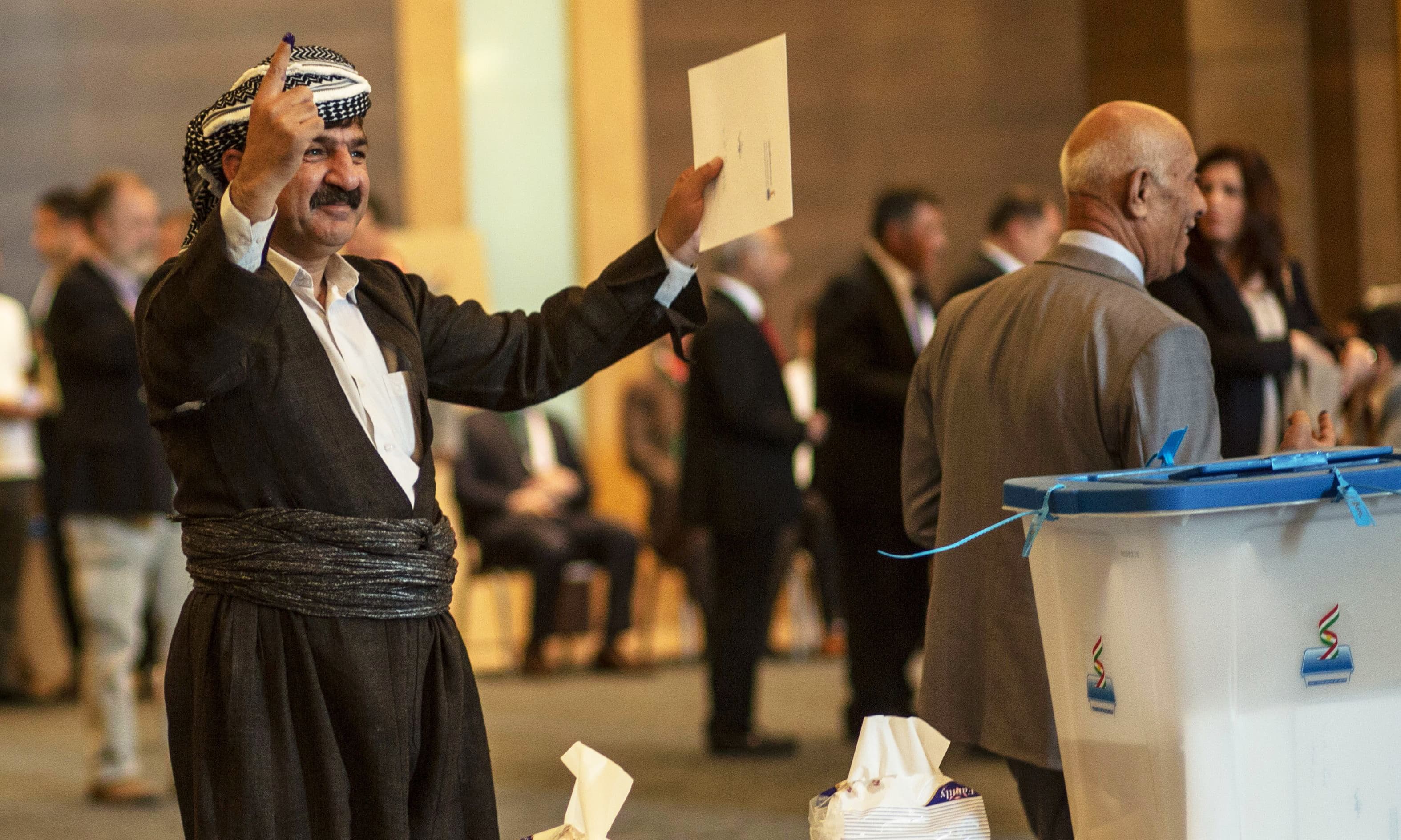


Iraqi Kurds voted in an independence referendum on Monday as tensions rose with Baghdad and neighbouring countries over the historic vote.
The referendum was proceeding peacefully but there were fears of potential unrest, especially after lawmakers in Baghdad demanded that troops be sent to disputed areas where the referendum was taking place.
As night fell, a curfew was imposed in parts of the disputed city of Kirkuk, police said.
Iran and Turkey, which both worry it will stoke separatist aspirations among their own sizeable Kurdish minorities, were also increasing pressure on Iraq's Kurds, with Ankara saying it would shut its border and threatening to block key oil exports.
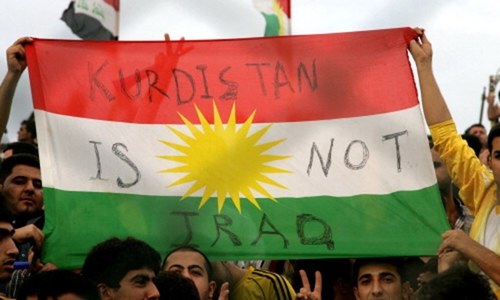
An overwhelming “Yes” outcome is expected, but the vote is non-binding and Kurdish officials have said there are no plans for an immediate declaration of independence.
Voters were nonetheless flocking to the polls to pursue a long-cherished dream of statehood, and keen to show off their ink-stained fingers after casting their vote.
Kurdish flags were festooned in all streets, on cars and outside homes across Iraqi Kurdistan.
Voters headed to the polls early, many men dressed in traditional Kurdish dress of brown shirt and billowing trousers for the occasion.
“I came very early to be the first to vote for a Kurdish state,” Diyar Abubakr, 33, said outside a polling station in regional capital Arbil.
“It's a day of celebration today. That's why I've put on our traditional outfit, which I bought for the occasion,” he said.
Cow slaughtered
One voter even brought a cow to slaughter before the start of the referendum.
“I brought this cow as today the state is born and it's tradition to slaughter a cow for a birth,” said Dalgash Abdallah, 27.
Initial results are expected to be announced 24 hours after polls close.
Veteran Iraqi Kurd leader Massud Barzani, who initiated the vote, cast his ballot early in the morning, smiling and wearing a traditional outfit.
Polling stations are scattered across the three northern provinces of autonomous Iraqi Kurdistan — Arbil, Sulaimaniyah and Dohuk — as well as in disputed border zones such as the oil-rich province of Kirkuk.
In Sulaimaniyah, second city of the autonomous region, 40-year-old Diyar Omar came to cast his vote also wearing traditional clothes.
“We will seize our independence through the polls,” he said. “I'm so happy I could take part in this independence vote during my lifetime.”
A total of 12,072 polling stations are open for more than 5.3 million registered voters.
Left without a state of their own when the borders of the Middle East were redrawn after World War I, the Kurds see themselves as the world's largest stateless people.
The non-Arab ethnic group number between 25 and 35 million people spread across Iraq, Iran, Turkey and Syria.
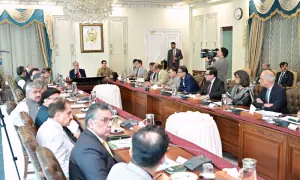
Baghdad has declared the vote unconstitutional and parliament voted on Monday to demand Prime Minister Haider al-Abadi “deploy forces” in areas disputed with the Kurds.
Asked about the risks of armed conflict, Abadi's spokesman Saad al-Hadithi told AFP: “If there are clashes in these zones, it will be the job of federal forces to apply the law.”
Karim al-Nuri, a head of the Badr Brigade which forms part of the powerful Hashed al-Shaabi paramilitary units, suggested the group was ready to deploy to “Kirkuk and the disputed zones occupied by armed gangs, outlaws who do not respond to the army command.”
Curfew in Kirkuk
Kirkuk, home to Arabs, Kurds and Turkmen, has been a particular point of concern and late on Monday police said a curfew was being imposed in the centre of the city and in Arab and Turkmen areas “to ensure security, monitor the situation and protect the citizens of Kirkuk”.
Abadi on Sunday pledged to take all the “necessary measures” to protect the country's unity, as his government urged all countries to deal only with it on oil transactions.
The Iraqi Kurds export an average 600,000 barrels per day (bpd) through a pipeline running through Turkey to Ceyhan on the Mediterranean.
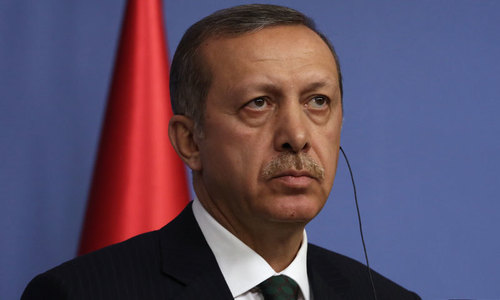
Turkey's President Recep Tayyip Erdogan on Monday threatened to halt these oil exports, angrily denouncing an “illegitimate” referendum.
Erdogan also said Turkey's Habur border crossing with Iraqi Kurdistan would be closed.
He again urged Iraqi Kurdish authorities to take a step back and appeared to threaten a possible cross-border operation.
“In Iraq, when necessary, we will not shy away from taking these types of steps,” Erdogan said, referring to Turkey's military operation launched last year in Syria against militant Islamic State group (IS) extremists and Syrian Kurdish militia.
Tehran has also increased pressure, announcing on Sunday it had blocked all flights to and from the region at Baghdad's request.
The foreign ministry in Tehran said its land border with Iraqi Kurdistan remained opened however, reversing an earlier statement.
The United States and other Western nations have raised concerns about the vote, saying it could hamper the fight against IS militants in which cooperation between Baghdad and the Kurds has been key.