Pakistan’s pharmaceutical exports have stagnated at around $200 million for the last several years.
This is in spite of local companies’ ‘potential to significantly increase’ their overseas sales, provided the right set of regulatory policies is put in place and exporters are helped in gaining market access to developed economies that have a lot more stringent quality standards.
“It’s near-impossible for ‘national’ companies to claim a bigger share in the global pie of $1.2 trillion without the government’s active involvement.
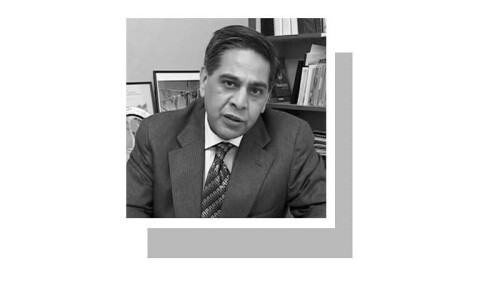
“Individual companies have done what they could to boost their export turnover by more than doubling it since 2010,” contends Ijaz A. Mumtaz, the chairman of Fazal Din and Sons, one of the oldest local pharmaceutical manufacturers and retailers.
He was sorry to note that successive governments had ignored the pharmaceutical industry’s potential to spike the country’s export revenues.
“Pakistan can raise its sales of generic medicines in the world market to $2 billion to $5bn in the next five to 10 years.
“This is provided the government aids the industry in getting access to the American and European markets by helping firms improve their technology and obtain accreditation certifications. We don’t have enough resources for that.”
Pakistan’s drug exports are mostly limited to South East Asian and African markets, which do not apply very stringent quality controls on exporting firms.
A quantum jump in pharmaceutical exports, however, requires access to Europe, America and other developed countries with a strong drug regulatory framework and quality standards.
With the country’s exports coming under tremendous pressure, decreasing by around a fifth in the last three years from the peak of above $25bn in 2013-14, many are calling for broadening the the country’s export base by tapping the potential of such sunshine industries as pharmaceutical, poultry and so on.
“It is high time we expanded the very narrow base of our exports with textiles, leather and its products, and rice forming more than 70pc of the total export revenues, and remove barriers in the way of other industries so as to encourage them to claim their rightful share in the global markets as India has done,” says Mubashar Bashir, a chartered accountant and industry analyst.
In its last annual State of the Economy report, the State Bank of Pakistan too notes that the decent performance of the pharmaceutical industry, which grew by 6.5pc in 2015-16 on top of 7.6pc the previous year, “conceals some underlying issues, such as strict regulation, unpredictable price structure, lack of patent protection, abundant supply of counterfeits, and lack of US Food and Drug Administration (FDA) approved plants. “Hence, not only is the size of the industry in Pakistan (worth less than $3bn) small, its exports are also low.”
In sharp contrast, the bank states, India with a population of 1.3bn has more than 200 FDA-approved plants, an industry worth $26bn and exports of over $12bn. Bangladesh with a population of 170m has five FDA-approved plants with industry size of $1.5bn and exports of $70m.
Exports of pharmaceuticals are largely dependent on the capability of a manufacturer to obtain quality and GMP (Global Manufacturing Practices) certification from the regulatory agencies of the importing countries, like FDA in the US and MHRA in the UK, points out Quratul Ain Irfan, vice president of Pacific Pharmaceuticals.
Pacific Pharmaceuticals, in June this year, became the first and only Pakistani company to obtain the Certificate of GMP Compliance of a Manufacturer from the British drug regulatory authority, the MHRA.
Pacific was also the first Pakistani firm to have German compliance certification, which allowed it to export medicines worth $390,000 to Europe including the UK in 2016.
“The MHRA certification will allow us greater access to not only in Europe but also in other developed countries like Australia and New Zealand where the UK certifications are accepted,” she adds.
The company has forecast its exports to the developed countries (except in countries where only US FDA-accreditation is accepted) to more than treble to $1.27m by 2020 after getting the UK accreditation of its plant.
“If your plant is FDA- or MHRA-approved it helps you sell your products in the developed economies. But not every local firm can afford the exorbitant cost of handling documentation required for such accreditation.
“Nor do they have enough cash to invest in new technologies and procedures to comply with global manufacturing practices required to get access to the developed markets. It took us 10 years and huge investment in German technology to get the British accreditation,” she emphasised.
But FDA or MHRA approvals take us just one step closer to the developed markets. There are hosts of other issues that need to be tackled before Pakistan could make a mark on the world drug market.
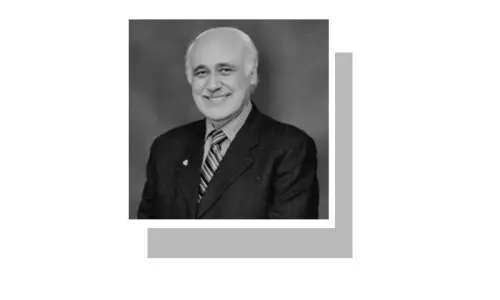
Osman Khalid Waheed, president of Ferozesons Laboratories, lists absence of a regulatory framework governing the pharmaceutical industry, market and product quality, SBP regulations controlling remittance of export proceeds and transfer of foreign exchange for maintaining a company’s overseas operations, and excessive regulation of local drug prices as other issues holding back drug exports.
“Unless we have a healthy regulatory environment where our companies are allowed to compete to improve their quality, flourish, make legitimate profits by deregulating drug prices (where a molecule is produced by five companies) and reinvest them in their operations here and overseas, our medicine exports are unlikely to grow significantly any time soon.
“The government must re-evaluate its policies to stimulate investments in technology to improve quality and international certifications.”
Published in Dawn, The Business and Finance Weekly, July 24th, 2017