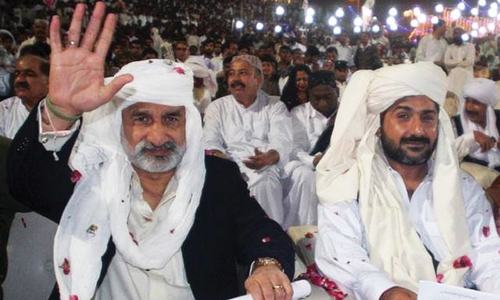
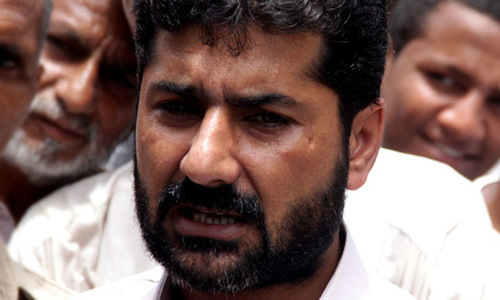
The extraordinary life story of Uzair Baloch, soaked in blood, crime and, seemingly, political ambition, has taken another extraordinary turn.
In a typically curt notification from the ISPR that has raised more questions than it has answered, the country has been informed that Baloch has been transferred from police custody to the military and is to be put on trial for espionage.
The move, announced days after the conviction of the Indian Kulbhushan Jadhav, suggests an escalating war by the security establishment against alleged foreign interference in Pakistan. But there are at least two puzzling aspects to the allegations against Uzair Baloch.
First, how did a well-known gangster from Karachi’s Lyari area make the transition to espionage for a foreign state? And second, given the selective leaks to the media, what does the suggestion of his acting on behalf of Iran say about the state of relations with a friendly neighbour? Both questions are important because they hint at the state’s evolving approach to the citizenry and a foreign policy realignment that can have generational consequences for Pakistan.
Uzair Baloch is not a convicted criminal and is entitled to the presumption of innocence until a court of law says otherwise. He is, though, an individual against whom there are very credible and profoundly troubling allegations of extreme violence.
The state must find a way to punish him for crimes — but the crimes he is accused of must be credibly established. The charge of espionage has the obvious effect of taking Baloch out of the civilian criminal justice system, where a conviction could be more difficult, and placing him in the military system, which has a far higher rate of conviction. But efficiency must not come at the cost of a militarisation of justice against non-military citizens.
Therefore, it is crucial that the full extent of charges against him be made public instead of selective media leaks of investigation reports and videotaped confessions. If he has acted on behalf of a foreign state, his actions should be clearly, credibly and fully explained to the public. There must also be an explanation of Pakistan’s relations with Iran by the government.
Following the decision to become a member of the Saudi-led military alliance against terrorism, there has been confusion about the status of our ties with Iran. Iran is not India; it is a friendly country with which ties should be managed carefully.
Published in Dawn, April 14th, 2017