258
258

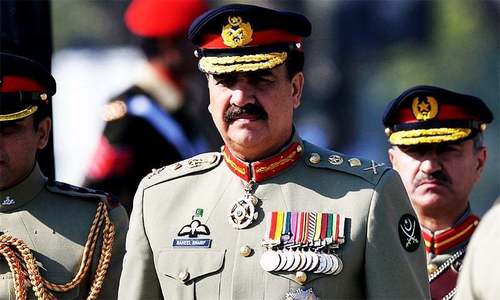
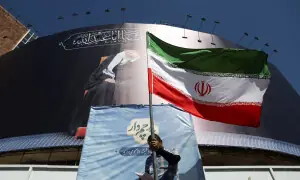
Iran has expressed its reservations regarding the appointment of the former army chief, retired Gen Raheel Sharif, as head of the Saudi-led 39-nation Islamic military alliance, saying it is not 'satisfied' with the coalition.
"We are concerned about this issue... that it may impact the unity of Islamic countries," Iran's Ambassador to Pakistan Mehdi Honardoost said.
Iran's state-run IRNA news agency quoted Honardoost as saying that Pakistan had contacted Iranian officials before issuing the no-objection certificate (NOC) to Gen Sharif to lead the Saudi alliance.
"But that does not indicate that Iran is satisfied with this decision or it has accepted the same," the envoy said.
The ambassador said Iran had conveyed its concerns to the Pakistani government.
He said Tehran had informed Islamabad that Iran would not become part of such a military alliance, adding that neither had Iran been extended an offer to join a coalition of this sort.
He proposed that all important Islamic countries come together to form a "coalition of peace" in order to resolve their issues "rather [than] forming a controversial military alliance".
Gen Sharif is likely to assume command of the anti-terrorism alliance, being dubbed the ‘Muslim Nato’, in April.
The government had issued an NOC for Sharif to join the alliance after an understanding was reached between Pakistan and Saudi Arabia on the matter, retired Maj Gen Ijaz Awan, a defence analyst and close associate of the former army chief, had told Dawn.
Explore: Raheel Sharif's appointment as chief of 39-nation military alliance 'approved': defence minister
A controversial appointment
The appointment of Gen Sharif as the leader of the 39-country military alliance sparked debate over how the move will impact Pakistan's foreign policy, and whether it was fully sanctioned by parliament.
Pakistan had initially found itself in the crosshairs of Middle Eastern politics as Saudi Arabia named it as part of its newly formed military alliance of Muslim countries meant to combat terrorism, without first getting its consent.
However, after initial ambiguity, the government had confirmed its participation in the alliance, but had said that the scope of its participation would be defined after Riyadh shared the details of the coalition it was assembling.
Gen Sharif last March accompanied the prime minister to Raadal Shamaal, the first military exercises of the alliance in which Pakistani troops also participated.
The coalition was envisaged to serve as a platform for security cooperation, including provision of training, equipment and troops, and involvement of religious scholars for dealing with extremism.
The Saudi government had surprised many countries by announcing that it had forged a coalition for coordinating and supporting military operations against terrorism in Iraq, Syria, Libya, Egypt and Afghanistan.
Iran, Saudi Arabia's archrival for influence in the Arab world, was absent from the states named as participants, as proxy conflicts between the two regional powers rage from Syria to Yemen.