DHAKA: Thousands of Rohingya who took refuge in Bangladesh after fleeing violence in Myanmar have returned home because of a Bangladeshi plan to house them on an uninhabited flood-prone island, community leaders said on Wednesday.
Nearly 73,000 Rohingya refugees have entered Bangladesh since last October, when government forces in Myanmar unleashed a bloody crackdown on the Muslim minority. Many told horrific stories of villages being burned and women gang-raped.
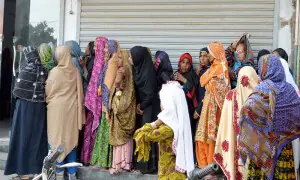
Most headed to the already overcrowded refugee camps of Cox’s Bazar, Bangladesh’s main tourist resort district which borders Myanmar.
The influx led Dhaka to resurrect a controversial plan to relocate refugees to an undeveloped island in the Bay of Bengal.
Community leaders said more than 5,000 Rohingya had now returned to the Buddhist-majority nation despite the risk of persecution.
“They chose to die by bullets than to be killed by nature,” community leader Noor Hafiz said. “People became very concerned after they learnt about the relocation plan. We heard the island submerges during the monsoon. Now we can only hope the situation back home is better.”
Hafiz said 3,000 people had left his camp, while another 2,000 people had left two separate newly-built make-shift refugee camps.
“They said they don’t want to die in flash floods,” said Dudu Mia, a Rohingya who heads another camp called Leda. The Bay of Bengal is frequently hit by cyclones.
Nonetheless the Bangladesh government has ordered the construction of a jetty, helipad and visitor facilities on the 6,000-acre island.
Last week it began a Rohingya headcount as part of its relocation campaign after seeking international support for the plan.
A Border Guard Bangladesh official also said growing numbers of Rohingya were returning, although he gave a much lower figure. “Last month 48 refugees notified us they were leaving Bangladesh for home,” said Teknaf Major Abu Russell Siddique.
“This month, in a week, the number has reached 235.” Siddique said parts of Myanmar’s Rakhine state, where most of the country’s Rohingya live, were now stable. “As far as we know, only people from the villages which were unaffected [by the crackdown] are returning,” he said.
Published in Dawn, March 9th, 2017