IMF reaches initial deal with Egypt for $12bn


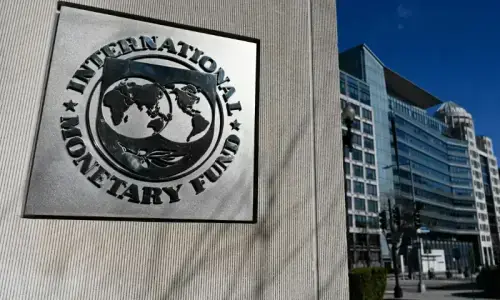
CAIRO: The International Monetary Fund has reached an initial agreement with Egypt for $12 billion in funding over three years, the fund said on Thursday.
The Egyptian government hopes the deal will provide a lifeline amid a dollar shortage, dwindling foreign reserves and an economy battered by years of unrest.
The agreement, which will have to be ratified by the IMF and Egyptian authorities, will require Cairo to undertake economic reforms.
“Egypt is a strong country with great potential but it has some problems that need to be fixed urgently,” a statement from the fund said quoting the head of its delegation to Egypt, Chris Jarvis.
Jarvis said in a press conference that the IMF was looking to Egypt’s parliament to pass a value added tax law.
The IMF’s Extended Fund Facility is aimed at countries with payment imbalances and tepid growth to aid structural reforms, according to the fund’s website.
Analysts have said the IMF also pushed for a more flexible exchange rate for the Egyptian pound, which the government has been propping up amid capital controls.
The shortage has affected imports and created a flourishing black market trade that the government fought unsuccessfully.
Jarvis said the goal was to have no foreign currency shortage and to create a “balance between supply and demand.” President Abdel Fattah al-Sisi has been preparing public opinion for the economic reform measures, including further subsidy cuts.
Although the funding is spread out over three years, the IMF will be looking for a quick implementation of the reform measures.
“The IMF would like to see change right now, not delayed,” said Angus Blair, president of the economy think tank Signet.
Egypt has been in tentative negotiations for an IMF loan since the ouster of president Hosni Mubarak in a 2011 uprising that set off years of political turmoil culminating in the military overthrow of his Islamist successor two years later.
Mohamed Morsi’s ouster in 2013 unleashed a bloody police crackdown on Islamists and jihadist attacks that have decimated tourism, a key dollar earner for Egypt.
With tourist revenues and foreign remittances down, the country’s foreign reserves have fallen to $15.5bn (13.9bn euros).
Published in Dawn, August 12th, 2016