A combination of relentless heat and high humidity sap human and plant strength and precious fresh water is — as always in August — in incredibly high demand.
If you are not already using grey water in your garden, this is a sensible time to start as, with potable water in increasingly short supply, every single drop of recycled water is precious. Using grey water, rather than drinkable water, in your garden can mean that somewhere down the line a family may have water in their tap.
Having written about grey water in a recent column I won’t repeat all the details here. Though to that it can be added that the water saving method of ‘Matka irrigation’ — preferably using grey water, of course — ensures that a little water goes a long way.
Watering your plants when water is scarce is tricky and needs non-traditional methods
Unglazed, clay matkas are, luckily for us, still in abundance in local bazaars and, especially if you bargain a bit, prices remain affordable. They can be found in a variety of sizes but, for general garden irrigation use, a matka with a five to 10-litre capacity is ideal.
Matka irrigation is an ancient system of keeping plants watered with minimum amounts of water and a corresponding reduction in labour which, when the temperature sizzles, is a bonus indeed.
For matka irrigation: take unglazed matkas and bury it up to their neck in the prepared garden soil. ‘Planting’ them at intervals of four to six feet all around — four feet apart in hot, sandy soils and six feet apart in other soil types. Fill them with water, leave for four or five days, and then plant your vegetables, herbs or flowers in the ground in between, which will — providing the matkas are unglazed — be nicely damp from the water which has seeped out of the matka.
Alternatively: ‘Plant’ matkas as specified above, but instead of planting all over and in between them, plant in circles around them instead. One matka planted in the circular manner can easily water four melon, cucumber or pumpkin plants, as well as a few inter-planted chillies or ladyfinger.

Note: The first matka full of water may drain quite fast if the surrounding soil is very dry, following fill-ups will seep out over a period of five to seven days depending on soil type and on how thirsty plants are. Once a matka is empty it should be refilled, preferably with grey water, harvested rainwater or, if absolutely necessary, with ordinary water. Liquid fertiliser can be added to the water in the matka so that plants are watered and fed with corresponding ease.
There is no need to make a hole, of any kind, in the matka: unglazed matkas naturally allow water to seep out. Putting a lid on each matkha helps prevent evaporation when temperatures really soar.
It is, obviously, better to ‘plant’ matkas before planting whatever you wish to grow as putting them in amongst growing or established plants is liable to damage their roots.
Matka irrigation is highly recommended if you are planting trees: a wonderful, very necessary task in our fight against climate change and this month, before the summer monsoon completely fades away, is a great time to get to grips with it.
Trees, which are indigenous or climatically suitable, for planting this month include: Melia azadiracta (Neem), Tamarinda indica (Imli), Moringa pterygosperma (Drumstick tree) or select from the extremely resilient species of Acacia. Otherwise, opt for fruiting trees, such as Jamun or Lokuat, over purely ornamental ones as fruit, even if only the birds get to enjoy it, is an essential environmental input.
Remember that they should be pot-grown trees not ‘bare rooted’, the latter being reserved for winter planting when they will be ‘resting’ and suffer less of a transplantation shock.
Hedges can also be planted now: Acalypha, clerodendron, lantana, lawsonia alba, murraya exotica, jasminium and russelia are good hedging varieties to consider.
- Before purchasing trees or hedging shrubs, please check that they are suitable for your specific locality..

Flower seeds to sow this month include: Gazanias, gerberas, petunias, dianthus, antirrhinum, salvia, cineraria, carnation, geranium, hollyhocks, dahlias, rudbeckia, phlox, scabosia and freesias. Dahlia tubers, begonia tubers and ranunculous can also be planted now.
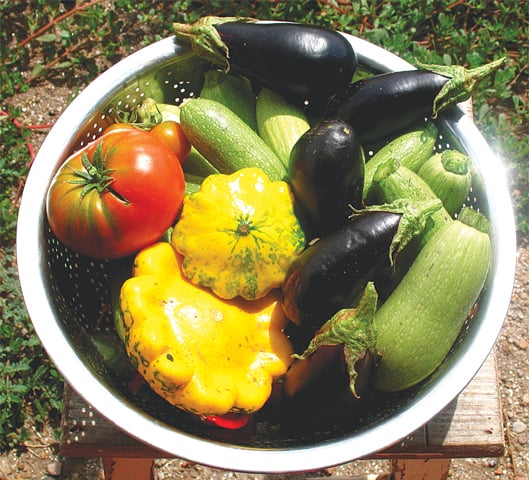
Vegetables to sow this month: cauliflower, cabbage, broccoli, onions, spring onions, carrots, beetroot, lettuce, tomatoes, celery, radish, leaf beet/Swiss chard, spinach, Brussels sprouts, kale and many more.
Herbs to sow: Lovage, borage, chives, garlic chives, thyme, agastache, nasturtium, calendula, oregano, bergamot and echinacea to name but a few.
Other tasks this month:
Rampant climbers — Bougainvillea is a prime example — should be pruned back and kept under reasonable control. Grape vines may also be tidied up by pruning any overly long, thin, sappy new growth. Do not cut into woody growth — this could be fatal — leave that until the main, hard pruning in the winter.
Check over strawberry plants for runners and, whilst leaving them attached to the parent plant, pot the runners up in small pots, standing these around the parent plant, leaving them undisturbed until the runners (baby plants) start growing strong leaves of their own and only then should you cut through the long stem attaching them to the parent plant.
Keep on top of garden hygiene as prevention of problems — be these fungal, viral or otherwise — is far preferable than having to go out in search of a cure, after damage has been done.
Flower of the month: Gazania
This South African native is rightly popular throughout Pakistan. Grown as either a seasonal or perennial and reaching a height of six to 18 inches, this stunning flower comes in a shimmering range of dazzling colours ranging from rich creams and yellows through to fiery reds and oranges. Happy in poor soil, this fairly drought resistant sun lover, can flower on and off around the year and needs little attention. If content, it will also self-seed with seedlings popping up in unexpected places.
Please continue sending your gardening queries to zahrahnasir@hotmail.com. Remember to include your location. The writer does not respond directly by email. Emails with attachments will not be opened.
Published in Dawn, Sunday Magazine, August 7th, 2016