WITH unbridled powers comes the inevitability of abuse. That symbiotic link has been illustrated, gruesomely and assertively, with the death on Tuesday of Aftab Ahmed, senior member of the MQM and Dr Farooq Sattar’s aide.
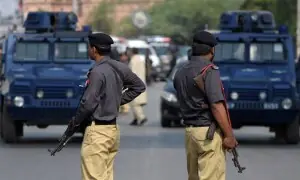
He was being held by the Rangers in preventive detention for 90 days, having been arrested by the law-enforcement agency barely 48 hours earlier.
The Rangers’ claim that Ahmed had been brought alive to the hospital suffering from chest pains and had died after 25 minutes of admission stood in stark contrast to the hospital authorities’ statement that the patient had “no pulse and no blood pressure” on arrival.
It indicates the extent to which the paramilitary force will distort facts to protect itself from blame, although a 42-year-old detainee dying of a heart attack — that too so soon after being taken into custody — should in itself be cause for investigation.
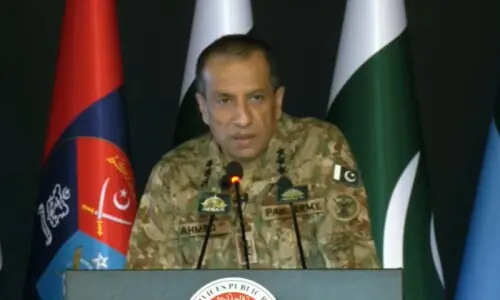
Shocking images of Ahmed’s brutalised body that soon emerged on social media left little doubt as to what the deceased had been subjected to while in custody, a fact that the DG Rangers himself had to later concede.
The issue of extrajudicial killings has tainted the security operation in Karachi ever since it was launched in late 2013, following which the Rangers were given extraordinary powers — later extended to various other law-enforcement agencies — to detain people suspected of terrorism or facilitating terrorist activity.
Indeed, that latitude may itself be part of the problem: Section 11EEEE of the Anti-Terrorism Act 1997 which allows for the detention of suspects for up to 90 days, takes away judicial discretion in the matter entirely and stipulates only that the court be informed of each detention.
This has seemingly allowed an assumption of impunity by the Rangers predicated on the pretext of ‘restoring law and order’, and the MQM in particular has borne the brunt.
Not only is it well known that the court is belatedly informed in the case of many detentions, but there are also frequent allegations of people dying at the Rangers’ hands either in fake encounters, or tortured and killed and their bodies being dumped.
Meanwhile, those quietly released have reportedly been terrified into keeping silent about their ordeal. It bears consideration that this is the same force that, even before its powers were enhanced, had been guilty of several violent transgressions against ordinary citizens, most notoriously in the 2011 murder of an unarmed youth in a Karachi park.
Gen Raheel Sharif has rightly ordered an inquiry into Ahmed’s death. While the investigation must be transparent and the perpetrators prosecuted, the incident should provide an impetus for the federal government to review the powers vested in the paramilitary force and examine how far they serve the ends of justice.
Notwithstanding the MQM’s own questionable tactics while in power, the Rangers’ actions cannot be justified on moral or legal grounds.
Published in Dawn, May 5th, 2016