1
1
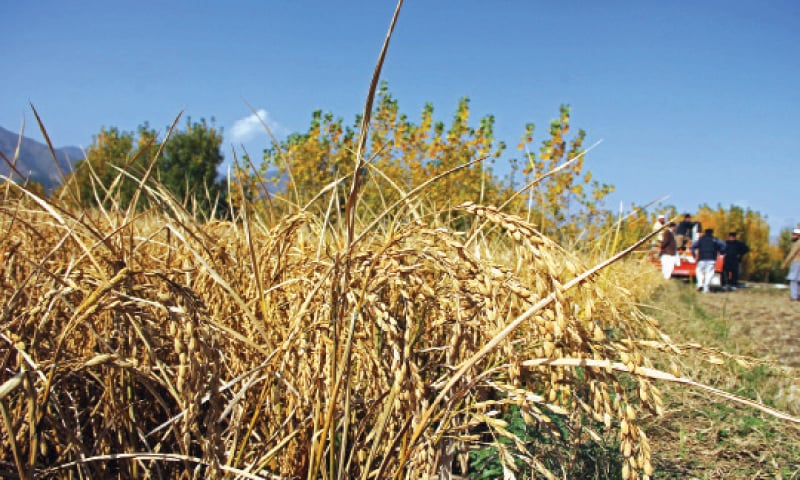

MINGORA: Begamai rice is one of the most popular dishes of Swat, but it has its own story that when and how the crop got its name in the scenic valley.
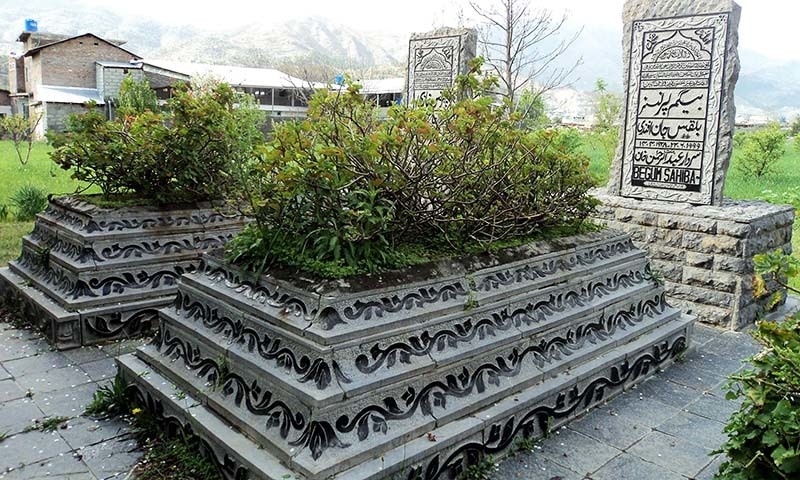
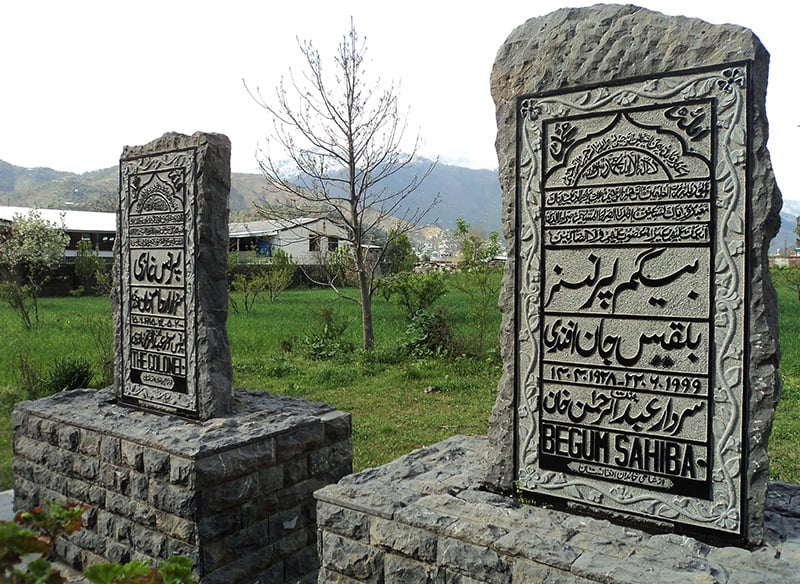
The rice was named after a respectable lady, Begum Bilqees Effandi, who had brought its seeds from Afghanistan in 1949 and cultivated it at Bagh Dherai area in Swat for the first time. The lady was popularly known as Begum in the area.
Qamar Gul, an elderly man who has been working with the Effandi family for the last 40 years, said that the rice was brought from Afghanistan by Begum Princess Bilqees Effandi, the wife of Prince Ghazi Sardar Arham Khan Effandi of the royal family from Afghanistan, after they settled in Swat.
“When the first plot was grown, the short and rough shape of the crop seemed strange to the local people, but due to the delicious taste and better yield the rice got fame and spread in the entire Swat state. As Begum Effandi was known as Begum, the rice also took its name after her as Begamai,” Mr Gul told this correspondent.
The crop variety from Afghanistan was introduced in the valley in 1949
He said that red persimmon was also introduced by the same family when Prince Sardar Abdur Rehman Effandi, father of Arham Effandi, brought it from Japan in 1910.
According to Mr Gul, the Effandi family loves Swat and its people as since their first arrival they have been serving Swatis through different social and humanitarian activities. Presently, the Begum Effandi Medical Complex located at Bagh Dherai area has been providing health facilities to the local people.
Since 1949, Begamai rice is the major crop of Swat which is not only popular in the valley, but also across the country. Swatis present the rice as gift to their friends and tourists take it with them from here.
“A variety of rice recipes is prepared with Begamai rice. It is eaten with butter or yogurt after plainly cooked. It is also cooked mixed with green beans and eaten with yogurt and Desi Ghee. However, its most delicious form is Varjaley as it is cooked with chopped greenery, especially Shautal (Persian clover) and Shalkhey and Ogakai (wild garlic),” said Khan Zada, a resident of Kanju.
Principal research officer in the Agriculture Research Institute, Swat, Dr Mohammad Naeem said that the rice, which is known as JP-5 from Japonica group, was first introduced in Pakistan in 1950s.
“It is actually a coarse type of rice which is usually cultivated in dry fields and uplands. Owing to its high taste and better yield the rice became popular across Swat valley,” he told this correspondent.
He said that the hilly and cold areas of Swat, Shangla and Upper Dir were suitable for its cultivation.
Published in Dawn, March 21st, 2016