KARACHI: The Legal Aid Society on Wednesday conducted a two-day training session for 78 newly appointed civil judges and judicial magistrates on issues pertaining to human rights, gender and religious minorities.
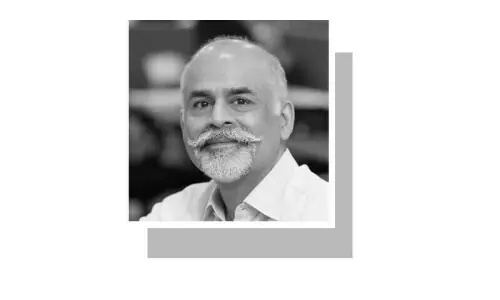
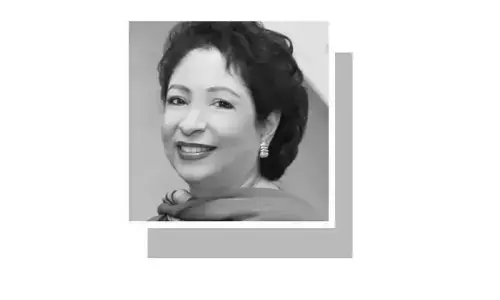
The training sessions were led, among others, by Justice Arif Khilji, Barrister Haya Emaan Zahid, and advocates Maliha Zia Lari and Nida Paracha.
Ms Lari spoke about gender bias in the system that is also reflected in the constitution and the law that has been ‘religiously politicised’.
“The constitution says that all citizens are equal but we can only have a Muslim leader, and Islamic way of life and there is no mention of people from any other religion,” she said during her session on laws on forced conversion, child marriage, blasphemy, domestic violence, acid crimes, human trafficking and honour killings.
On forced conversions, she said as a judge the first responsibility was to assess the difference between a marriage by choice and forced conversion.
“Determining consent is one of the hardest assessments that a judge has to make but steps can be taken to protect the victim from being intimidated for better understanding of the case,” she said.
She explained ways through which a victim could be protected from the accused. “The judge can allow the girl to be sent to Panah or Darul Aman, away from parents and the abductor, and can be told to give her statement after seven days,” she said.
Talking about blasphemy cases, she said the law was badly drafted and complicated.
She also talked about
Section 295-C, which deals with the use of derogatory remarks against the Holy Prophet (pbuh) but does not include the expression ‘willful and intentional’.
“In Rimsha Masih’s case, for instance, there was no will or intention as she was not mentally sound.”
The Sindh Prevention and Protection from Domestic Violence Act 2013 was also highlighted at the session.
“Under this law, the aggrieved cannot be evicted from her home,” remarked a speaker.
It was repeatedly stated at the sessions that the judges held the right to not accept a compromise, even in the case of honour killings, and could demand complete evidence.
Sindh High Court Chief Justice Faisal Arab, who was the chief guest at the closing session, said:
“Never before in the history of High Court has a batch of 78 judges been inducted. There was a sense of urgency that prompted us to fill the vacancy with competent judges. Of these 78, 13 are female judges and five are from the Hindu community.”
He advised the judges to maintain complete impartiality.
Published in Dawn, November 13th, 2015
On a mobile phone? Get the Dawn Mobile App: Apple Store | Google Play