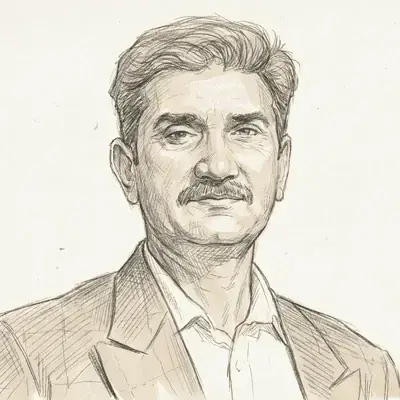
Television, film and radio artist Sajjad Kishwar began his career from Pakistan Television Rawalpindi in 1967, as an actor in drama Raizgari. Over the course of his career, he performed in 100 films and 1000 television dramas. Today, at the age of 82 he is still working as an actor in dramas Roshani ka Shaher, Chot and Potohari play Sardaran day Phool which will be telecast on PTV soon. He has received a Tamgha-e-Imtiaz from the government of Pakistan and a Lifetime Achievement Award from Radio Pakistan. Dawn spoke to the veteran actor about drama and entertainment in the current times.
Q: What do you think about the growth of television channels in Pakistan?
A: In the past, people’s only source of entertainment was PTV. Now there is a lot of choice available and everyone spends their time channel surfing. Competition is always good and so is variety. However, quality should be prioritised over quantiity and entertainment should also be a source of positive social change.
Q: Among television, radio and stage, which medium is the most challenging?
A: Acting in a drama on the radio is the most challenging because one only has the expression of their voice to rely on. No facial gestures or body language may be used as aids to convey emotion. Since all attention is on the dialogue, it is also difficult to write dramas for radio. Actors must pronounce each world perfectly. Once radio was considered to be a nursery for actors and all new entrants would start their careers from this medium.
Theatre is also not an easy medium; the actors are receiving instant feedback so they must understand the mood of the audience as well.
Q: How has drama in Pakistan changed over the years?
A: For centuries, the drama has revolved around Zan, Zar and Zameen (women, gold and land) and today’s dramas also based on these themes. But presentation of these themes has changed over the years.
The dramas telecast today are highly commercialised which has destroyed the drama. Once, the story, premise, message and presentation were the main components but today the story and message are compromised for glamorous presentation. Producers and directors believe that glamour is needed to make a hit drama. In the past, attention was also paid to how words were pronounced and there were departments in television and radio which would correct the pronunciations of performers. Today, the quality of language in television dramas has deteriorated.
There is dire need for the revival of drama in the Pakistan today. Drama is essential for the presentation of culture specific problems and presenting solutions to these problems. Drama gives voice to people’s joys, their miseries and their stories.
Published in Dawn, June 25th, 2015
On a mobile phone? Get the Dawn Mobile App: Apple Store | Google Play