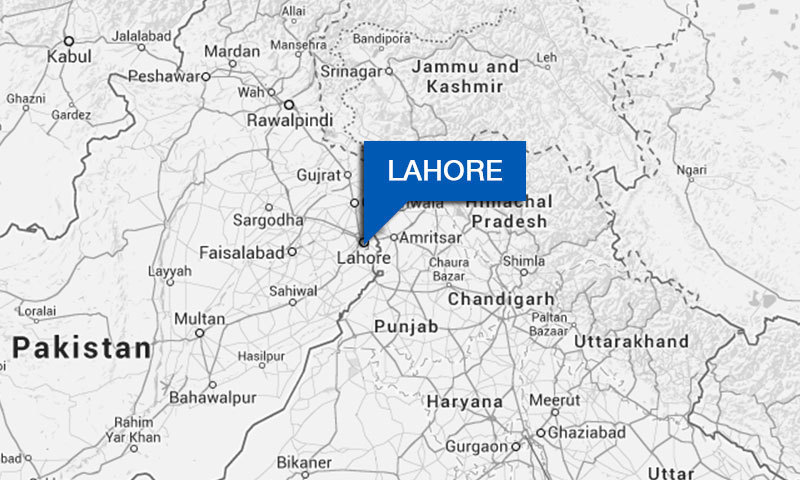
LAHORE: The frequent usage of Geographic Information System (GIS) will provide the public and private sector a mechanism to devise result-oriented solutions based on analysis, leading to improved asset management, resource planning and enhanced service delivery in Punjab.
This was crux of speeches made by participants in a GIS seminar on Municipal Asset Management and Urban Transport System arranged in connection with GIS World Day on Wednesday by Urban Unit of the Punjab government in collaboration with PAKSTRAN (UNDP) and World Bank Punjab Cities Governance Improvement Project (PCGIP).
Urban Unit CEO Dr Nasir Javed, Local Government Department Additional Secretary Shahid Fareed, Faisalabad Wasa Director (Administration) Jabbar Anwar, Lahore Waste Management Company (LWMC) Manager GIS Shoaib Dar, Urban Unit Senior Urban Planner Ms Sani-i-Zahra, Punjab Metro Bus Authority GM (Operations) Uzair Shah and Khalid Mahmood of Punjab University Space Science Department were prominent among the more than 500 GIS professionals, students and government officials.
The participants were informed that the GIS integrates hardware, software and data for capturing, managing, analysing and displaying all forms of geographically referenced information. The intended use of GIS has been to make connections between related information sources and enable users to visualise and analyse this information using a spatial interface, most commonly, a map.
However, the Urban Unit has taken this spatial interface to the next level, comparable to any international spatial interface. This spatial interface is branded as ‘Iris’, a GIS-based web portal (www.irispunjab.gov.pk), and gateway to a range of collected and organised information pertaining to Punjab government departments, districts and cities, sector-wise information, along with access to knowledge management repository of maps (Irisbrary) and dynamically produced data-driven maps capability (known as the Iris Map Maker) for customised analysis.
“The goal of World GIS Day seminar is to highlight the importance of power of geo-tagging the information, real time flow of information, transparency and an evidence-based accountability that GIS application provides to decision makers,” said Urban Unit CEO Dr Nasir Javed.
The seminar included sessions on asset management and GIS applications in Wasas and city district governments (CDGs), use of ICT tools, sustainable transport, GIS applications, GIS and remote sensing for sustainable transport among others. The participants also discussed the challenges of urban transportation like delays, congestion and accidents due to the lack of reliable information.
Published in Dawn, November 20th, 2014